




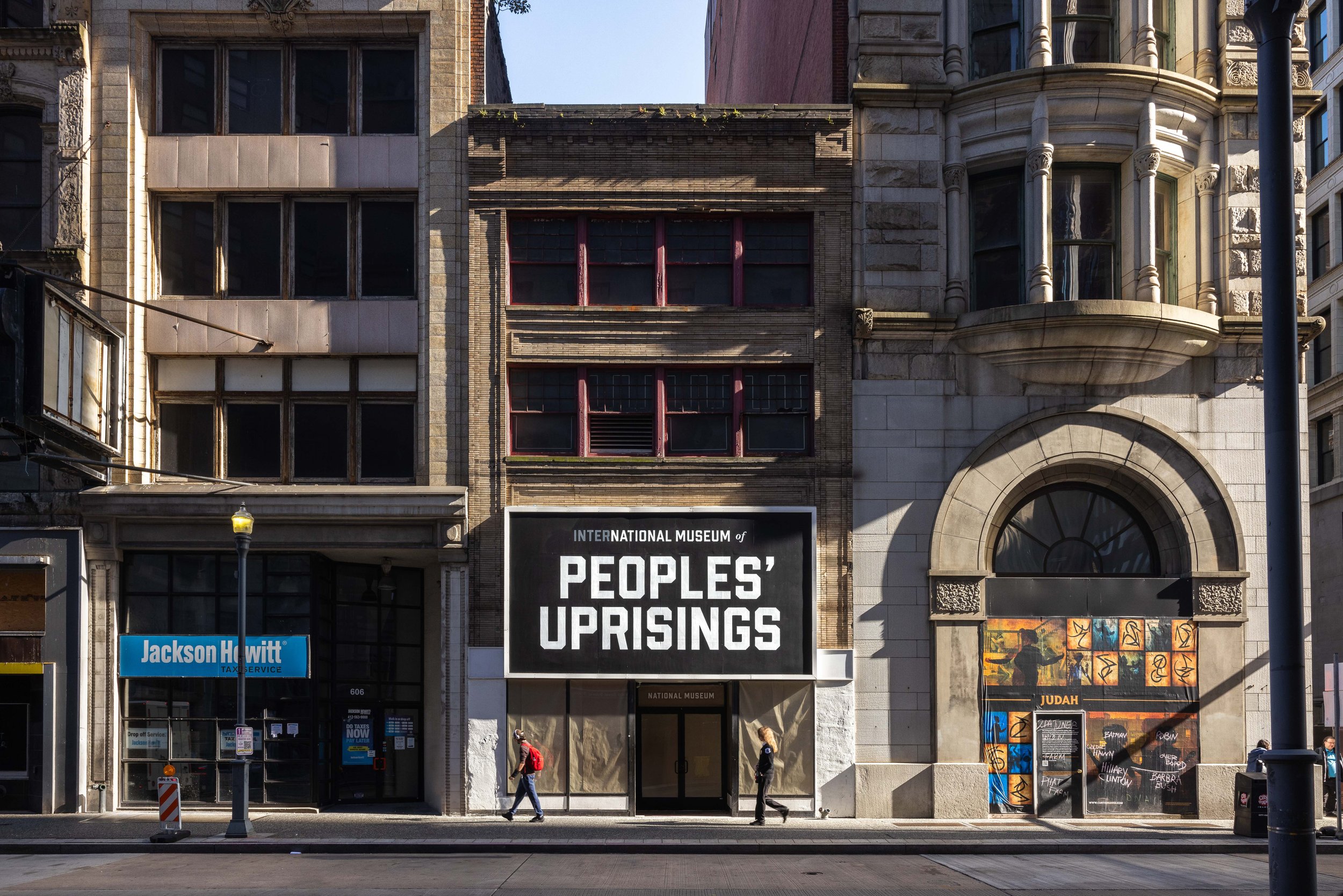
National Museum
Pittsburgh, PA 2023-25
Upcoming: San Juan, PR and Los Angeles, CA
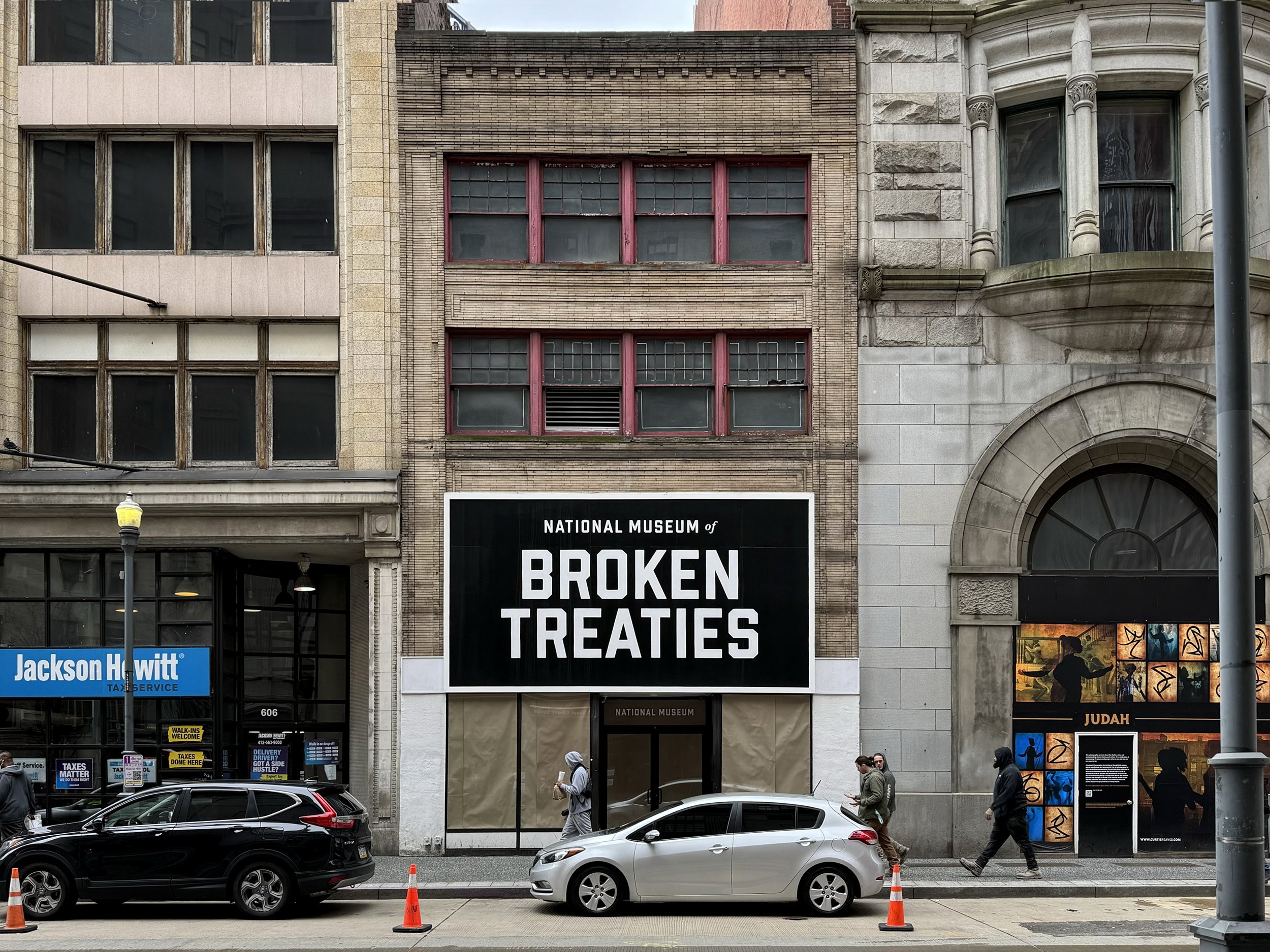
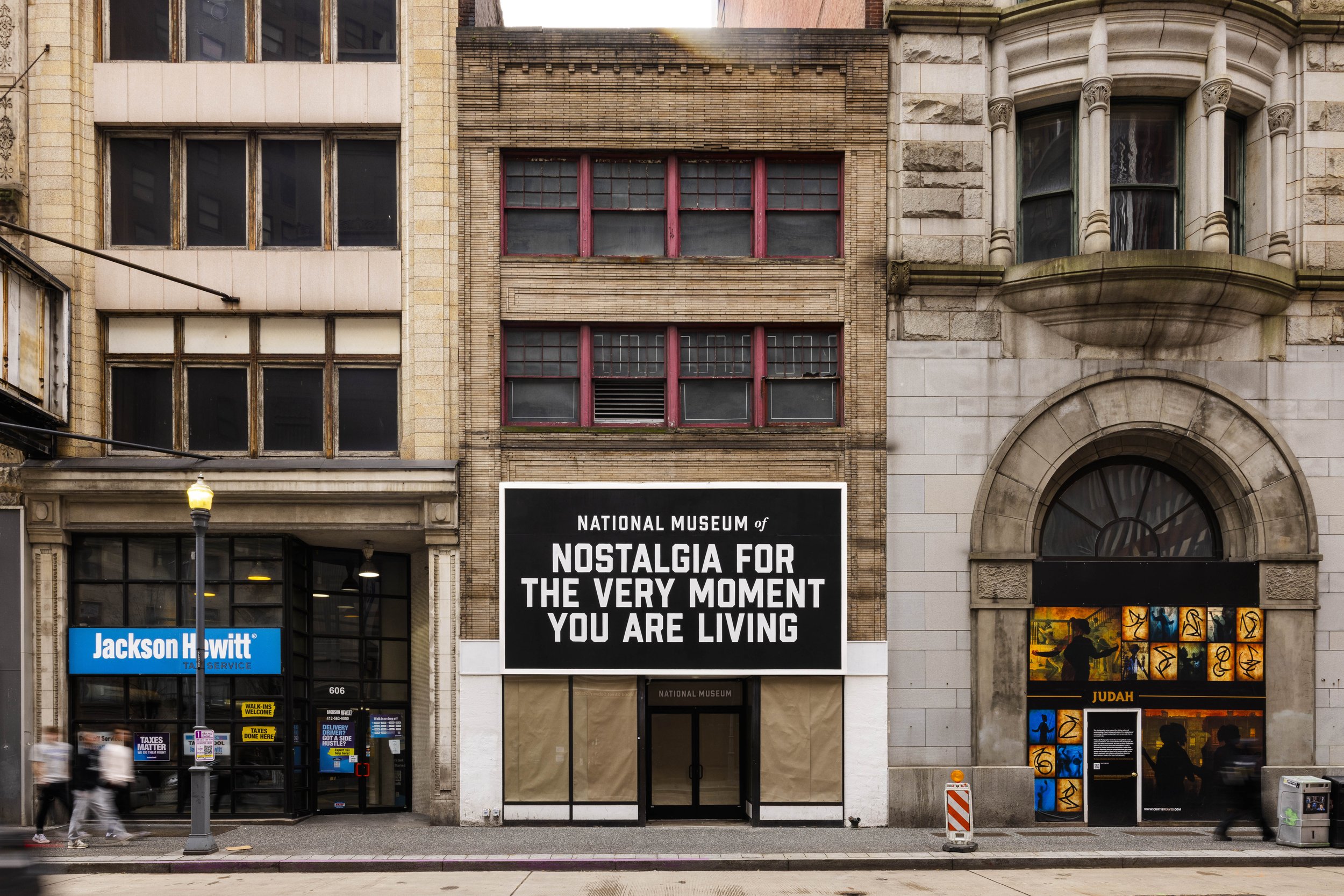
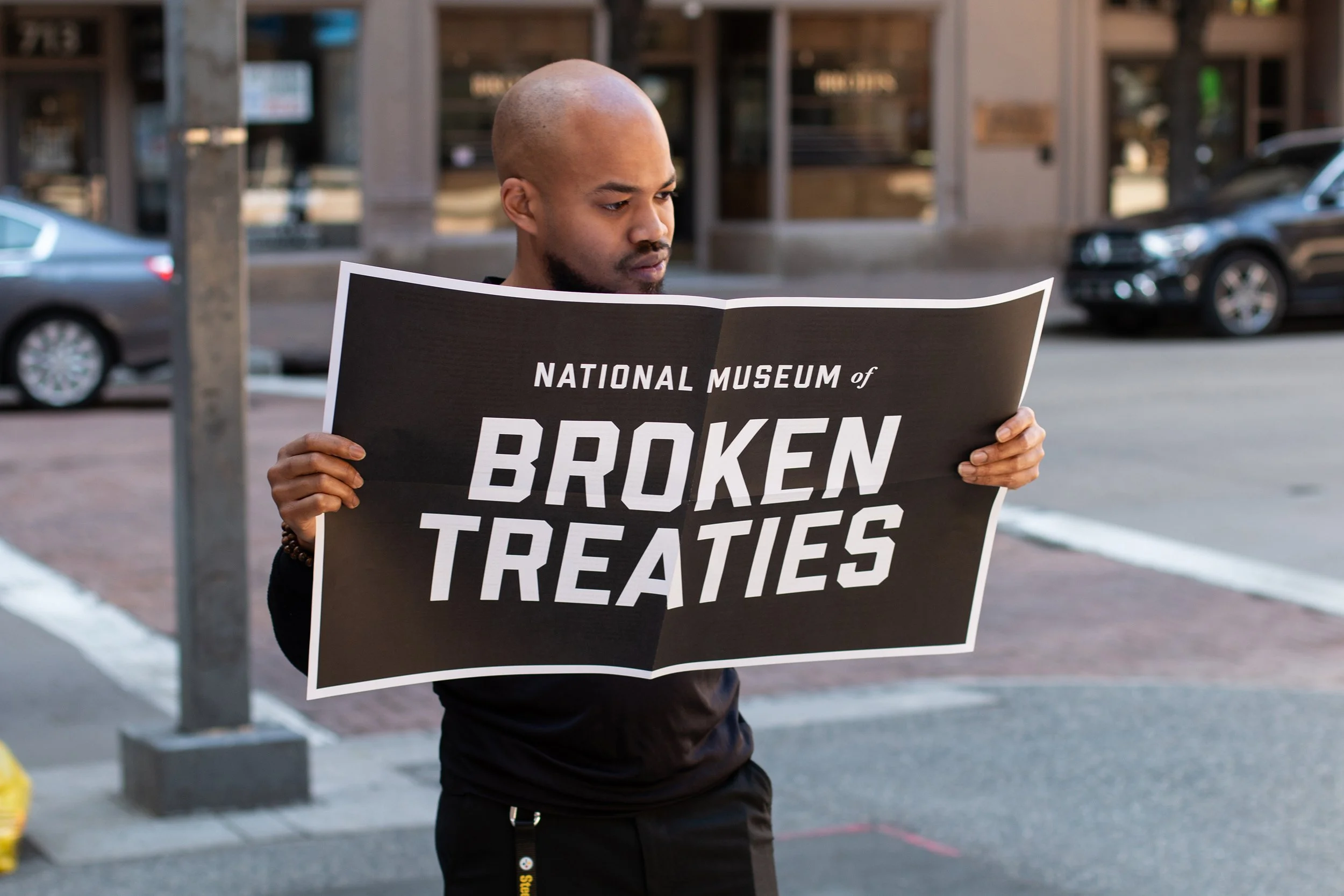
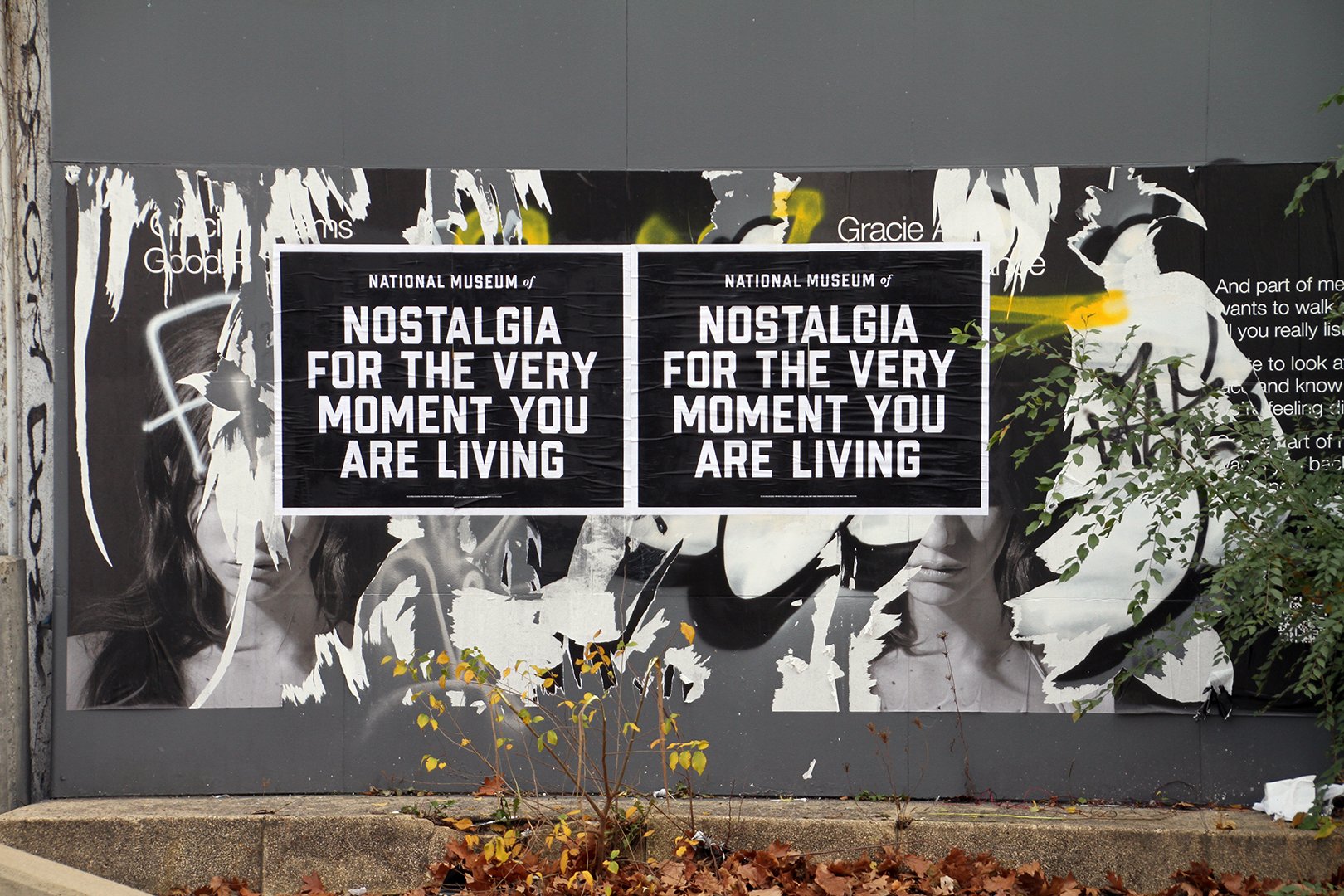
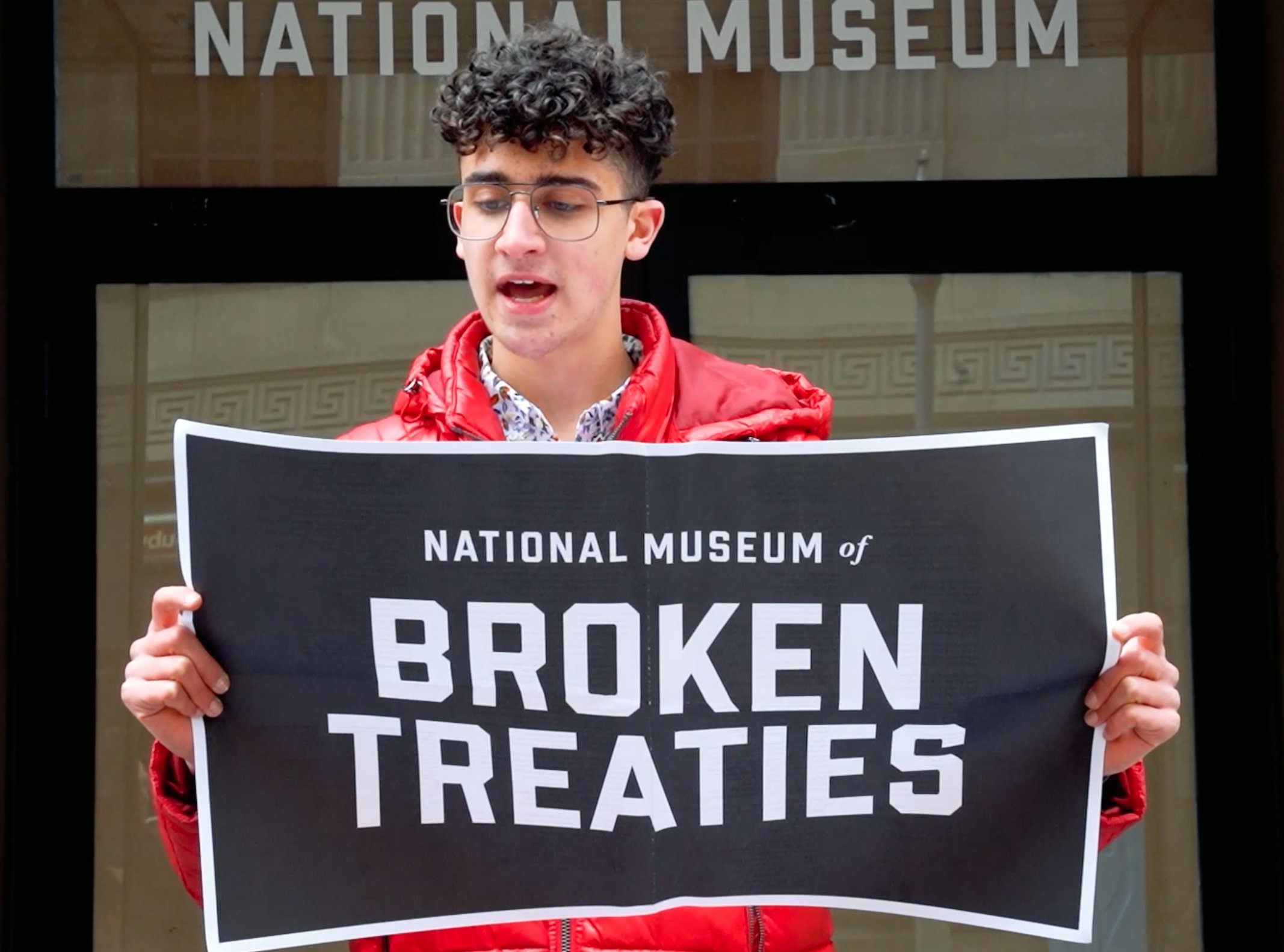
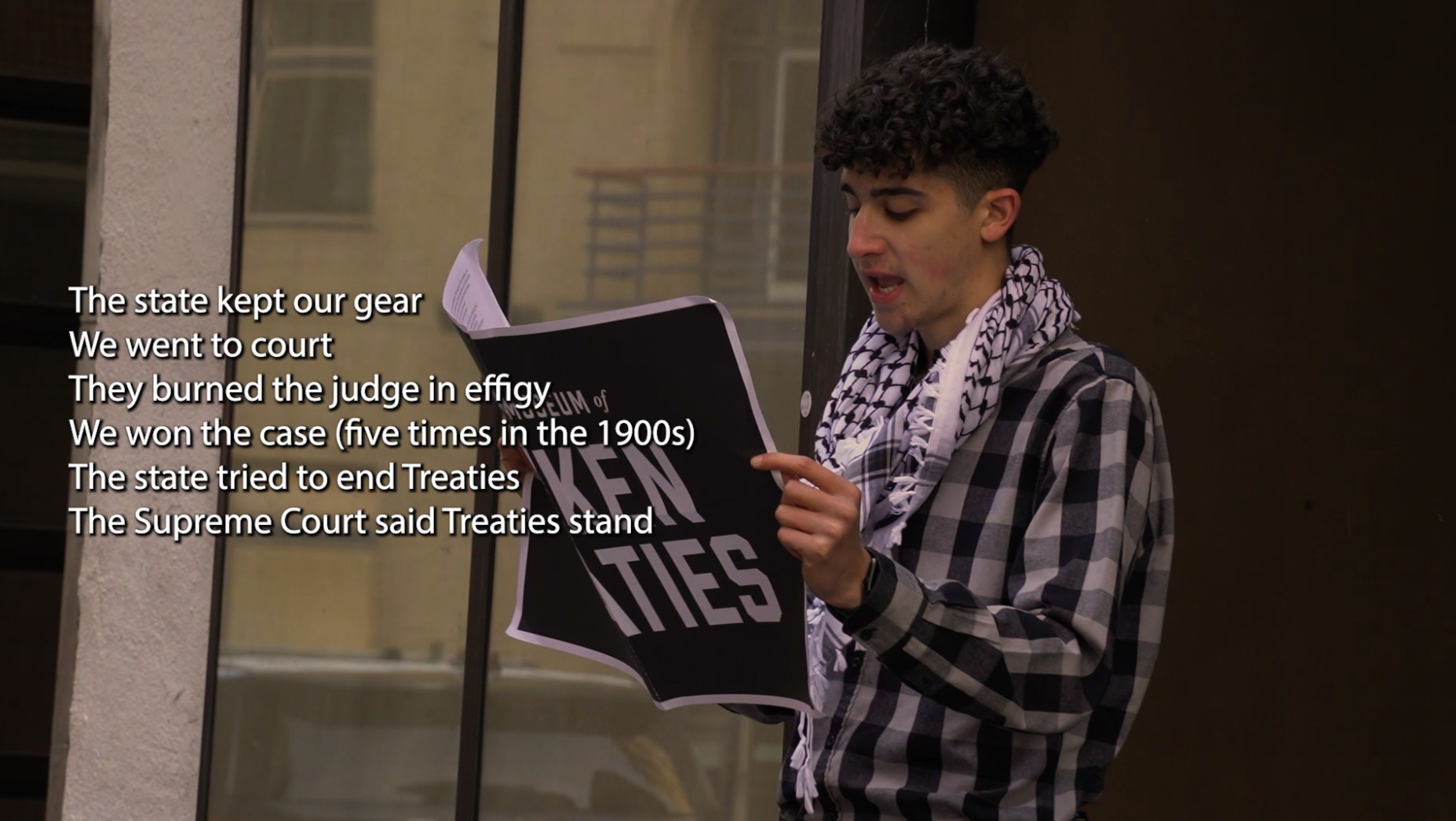
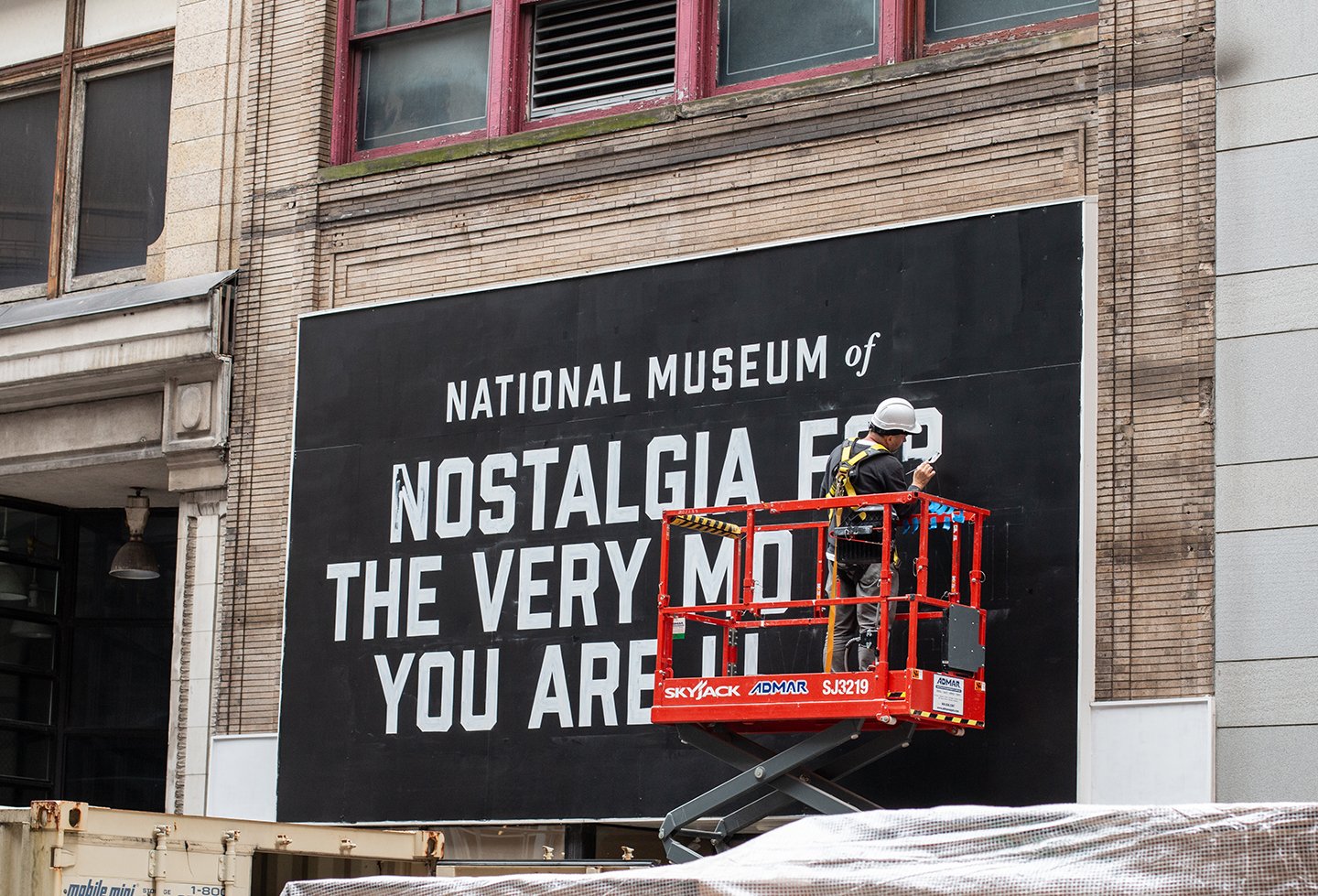
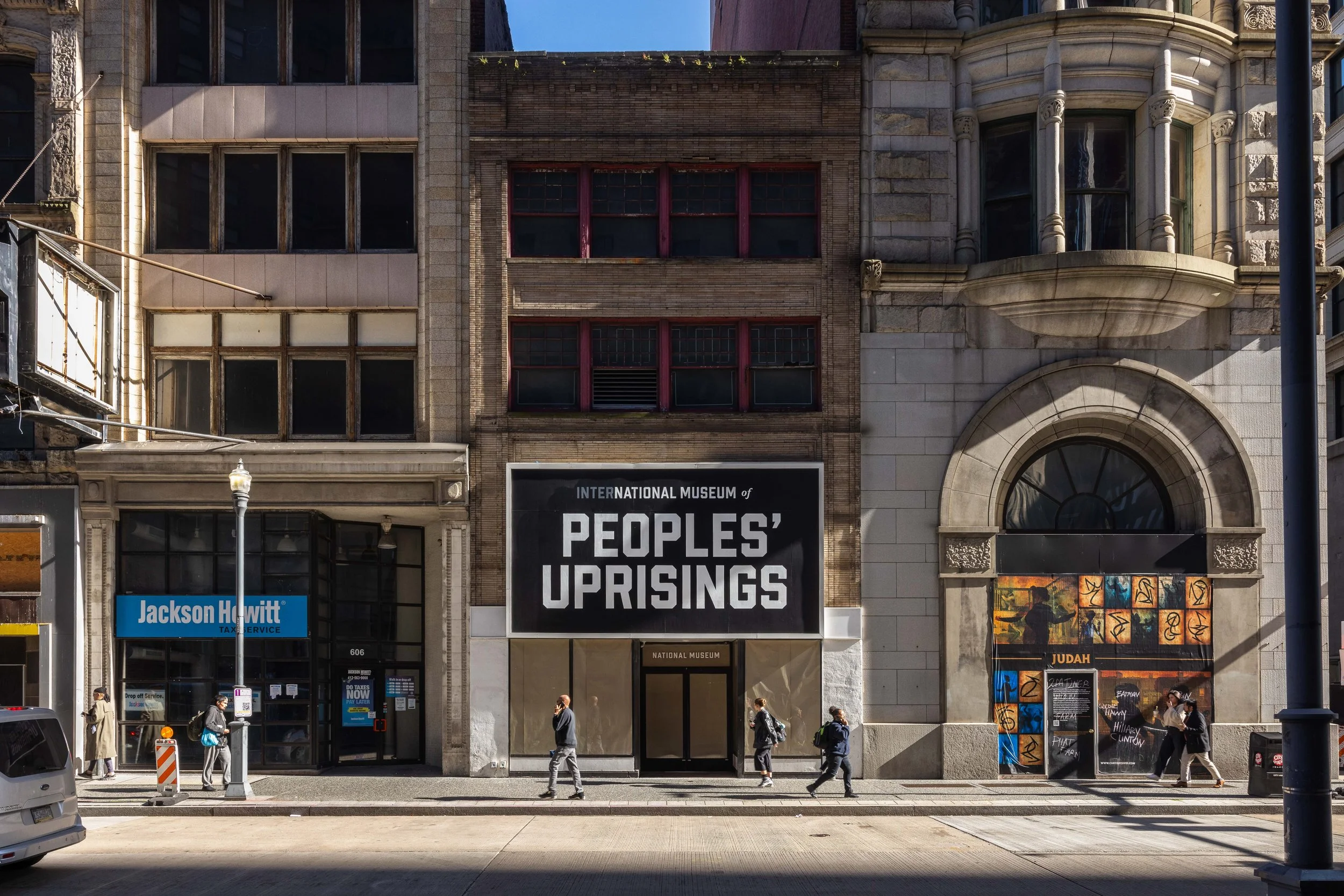
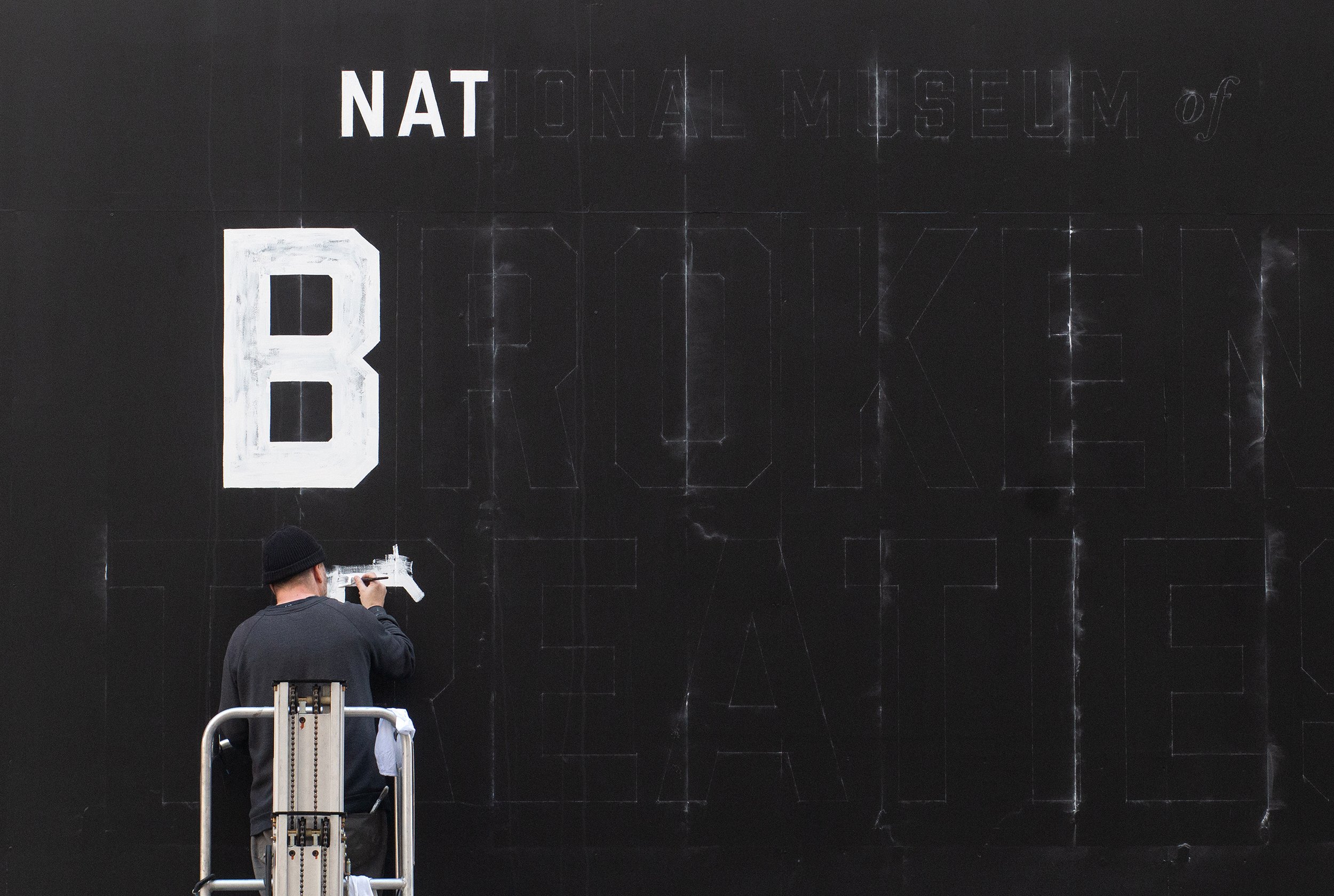
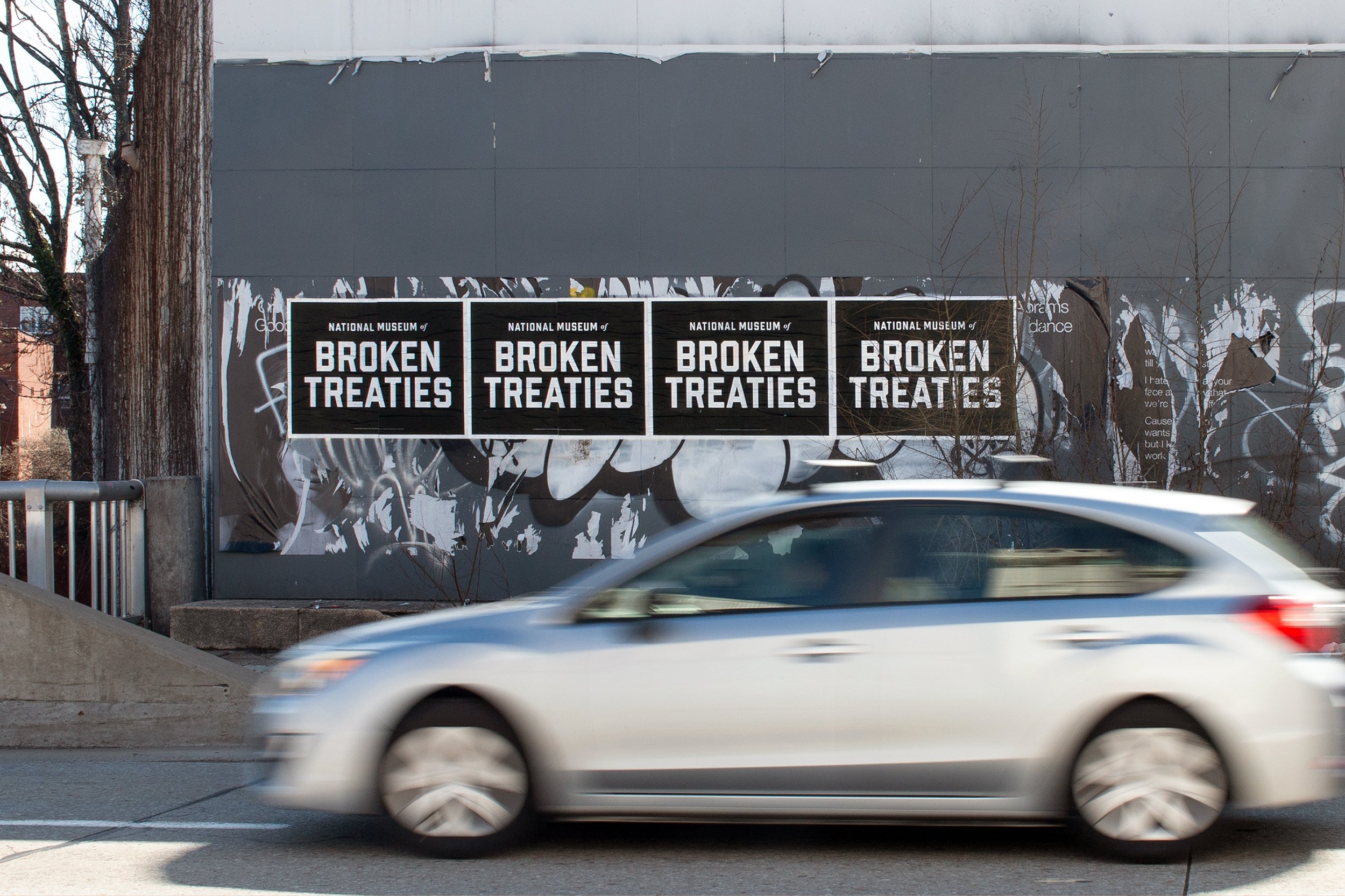
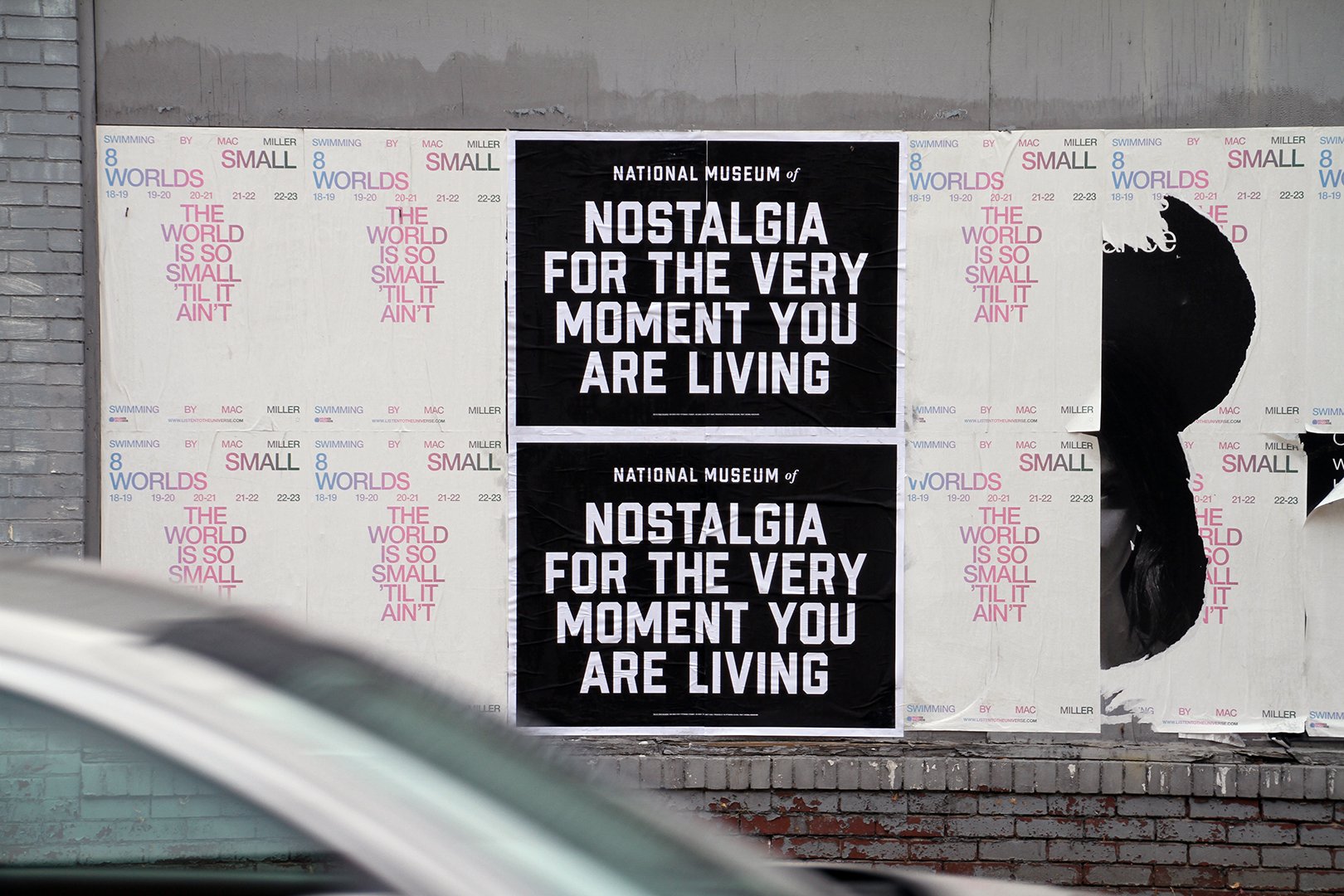
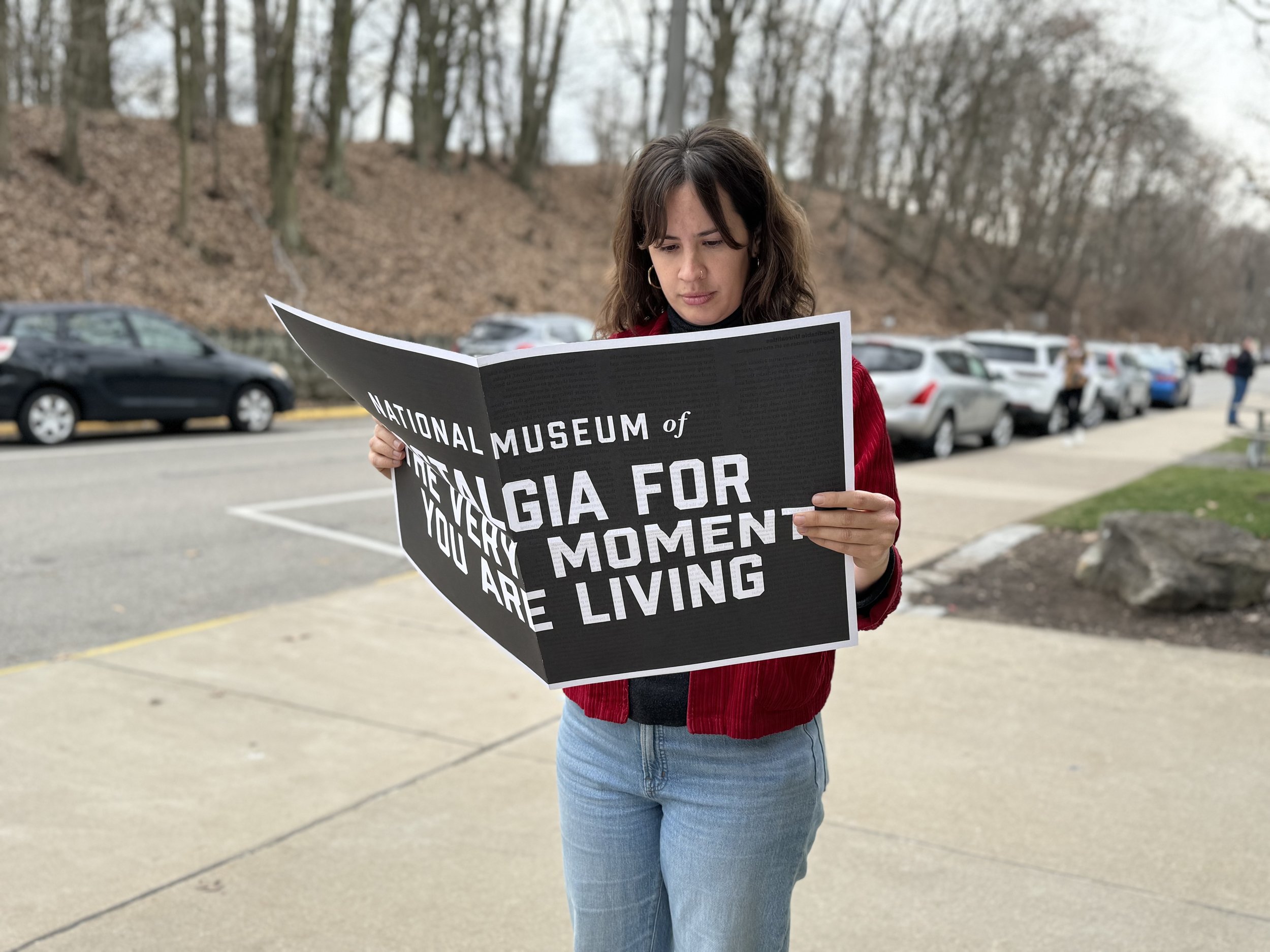
The National Museum critically asks which stories, histories and futures are deemed worth saving and which are ignored or forgotten. Every few months, a different artist is invited to change the name of the museum and a national writer is invited to use that museum title as the jumping off point for an essay. In its first year, the project consisted of storefront signage, street posters, printed broadsheets, accompanying essays and street performances.
When a name starts with “National Museum” it triggers contentious and political associations with borders, nationhood, even citizenship and belonging. Who gets to determine the belonging of an entire group of people bound only by the fact of their geographical location. There’s something absurd about that, if you think about it. Instead of claiming ownership over a diverse populous or even a disparate set of objects, can the notion of the “national” be rethought as something that is less tangible, less object-oriented, less real?
There is a fundamental hubris and absurdity in calling something, anything, a museum, let alone the National Museum. But, in many ways, it’s really no different than any other museum that someone, usually with far more money, privilege, and power than any of my artist peers or myself, has simply made up. So, in a way, the project functions as a kind of loophole or work-around, a participatory fiction that allows a variety of artists, writers and thinkers to put forth an ongoing series of propositions, a theoretical institution that repeatedly brings into question the certainty and reality of our pre-existing institutions.
The National Museum elucidates how museums, especially national ones, are perhaps no different than the nation-states in which they reside. Each is an imagined political construct, a collective fiction used to collect, categorize, narrativize, and control. Throughout modern history museums have used the collections they steward and the stories they tell to validate extractive legacies of colonialism. And, although our current museums, both national and private, are staffed by people with experience in the arts and humanities, the ultimate decision-makers in many of these institutions are wealthy donors, corporations and trustees who derive financial benefits from, and exert ideological control over, the fundamental mission of museums.
Museums have an impermeable presence to them and this quality tends to deflect any critique that can be made of the narratives they set forth. Usually, national museums are centrally placed in a city and housed in imposing architecture. The National Museum project critically engages with these notions of a museum and rethinks them as a malleable medium, as an institution where an imagined set of social agreements, stories of the past, and visions of the future are created by artists in the public sphere. Inevitably, these visions depart from the mandate of nation-building along exclusive and extractivist lines and invite the potential for collective and inclusive publics.
It’s often easier to recognize how constructed and changeable our individual identity is than that of our cultural institutions and nation-states, yet one could argue there is little difference. Both states and the institutions that reify them are made up of a conglomeration of people performing around fictional premises. The National Museum is a collaborative experiment in making those scripts explicit and presenting alternative protocols.
Artists and writers include: Pablo Helguera, Walid Raad, Jalal Toufic, Edgar Heap of Birds, Suzan Shown Harjo, Dread Scott, Saul Williams.
++++++++++++
The first iteration of the National Museum was developed in collaboration with Joseph del Pesco for the 2019 Triennial of Counterpublic in Saint Louis. Titled "Monuments, Ruins and Forgetting” the project manifest as a prospective national museum that, over the course of three months, rotated through the title words as a micro-narrative about historical progression.
++++++++++++
National Museum is founded and curated by: Jon Rubin
National Museum Editor-in-Chief: Sharmistha Ray
Advisory Board: Sean Beauford, Anastasia James, Joseph Del Pesco, Paola Santoscoy
Commissioning Agency: The Pittsburgh Cultural Trust
Graphic Design: Brett Yasko
Sign Painter: Run Rabbit Gilding