Image guide: Top = Tehran / Bottom = Pittsburgh
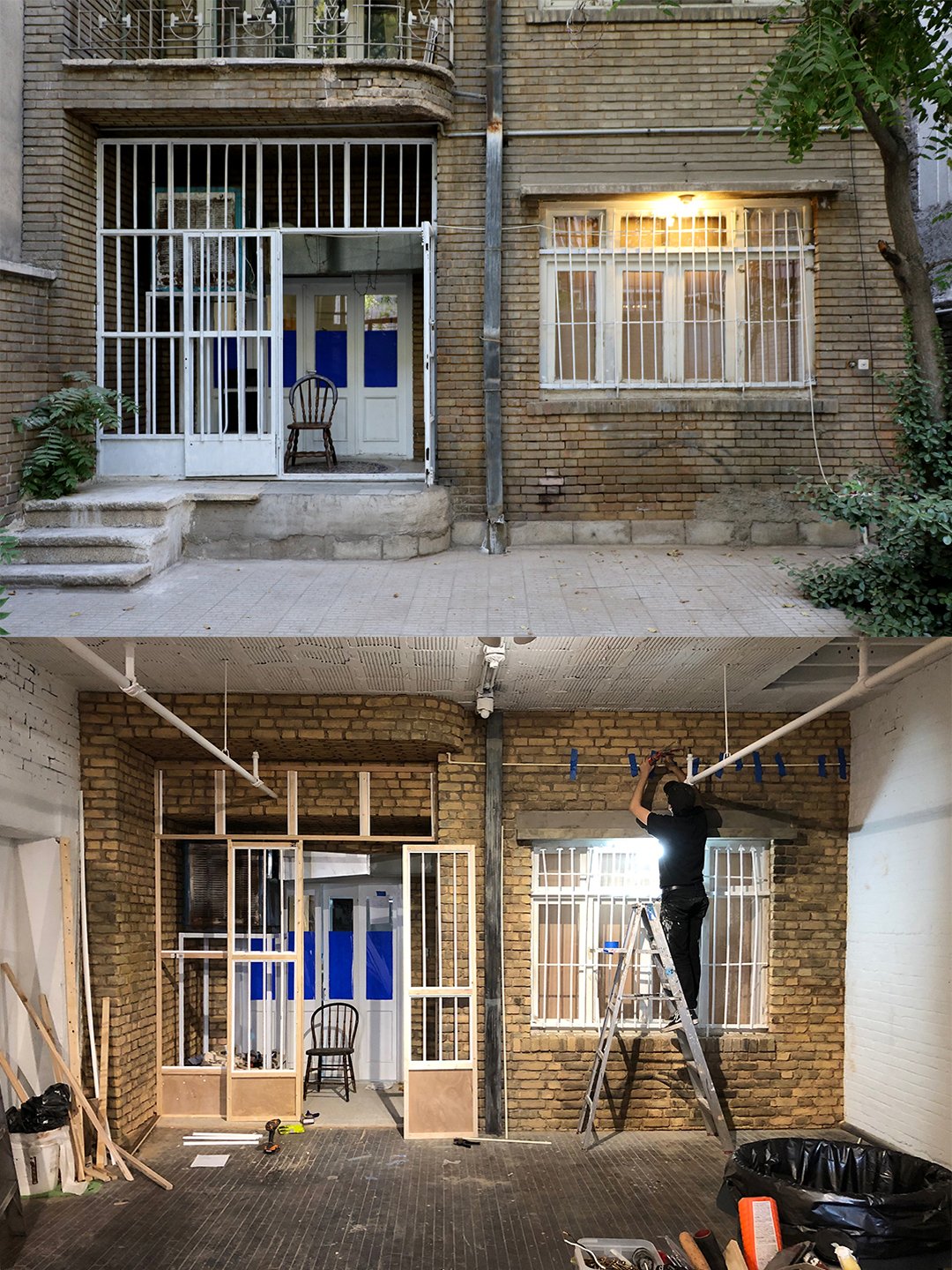
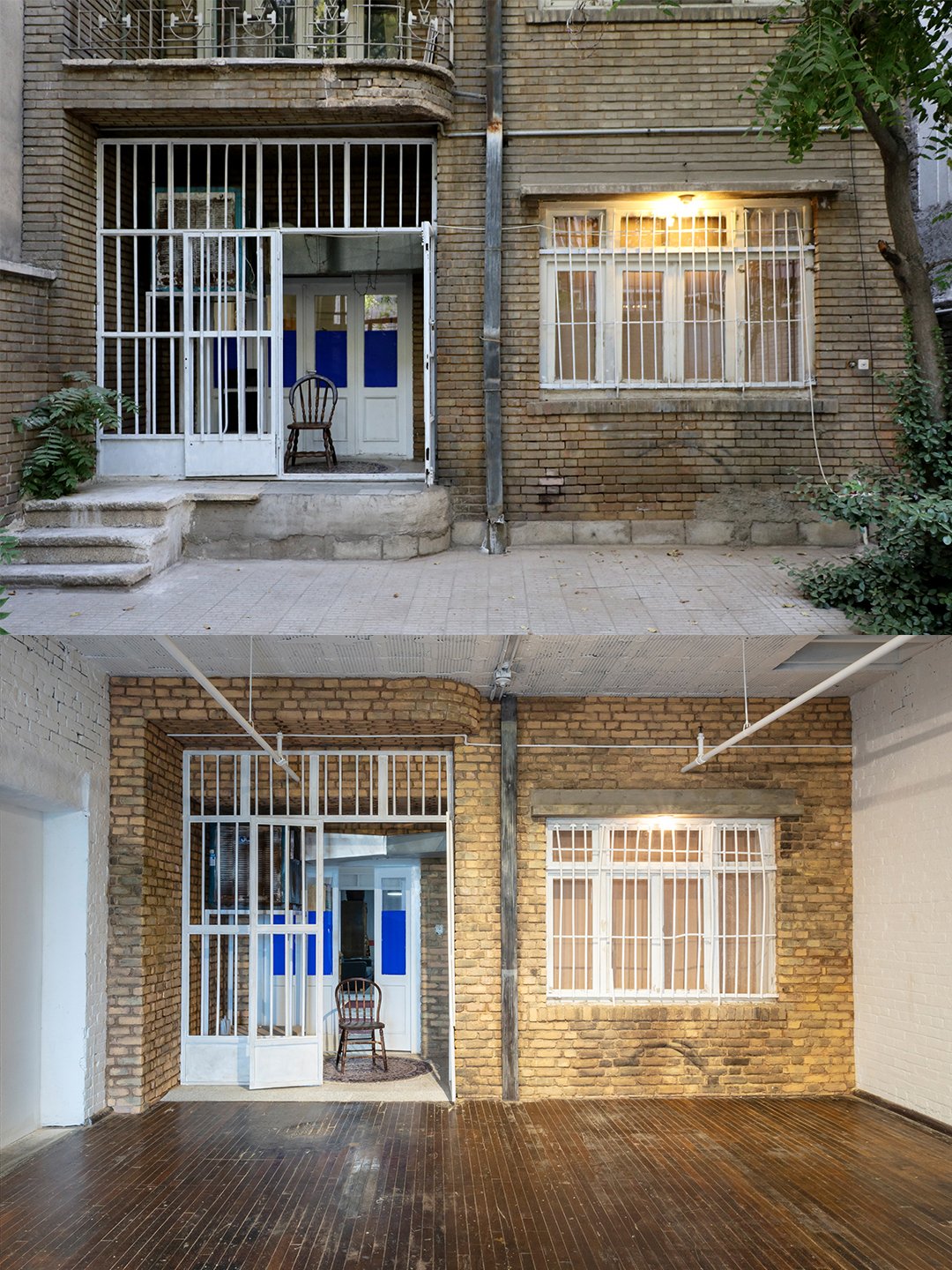
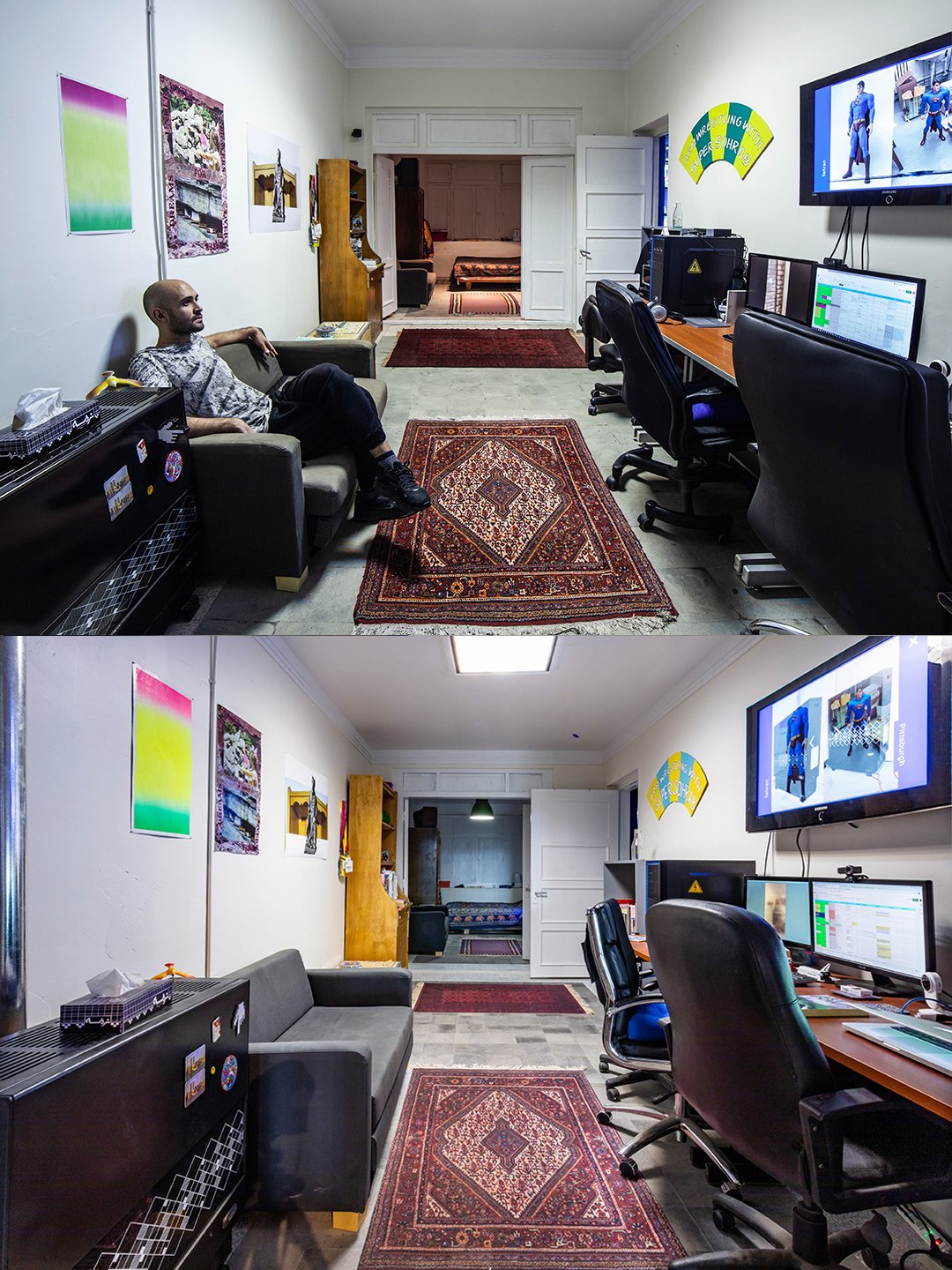
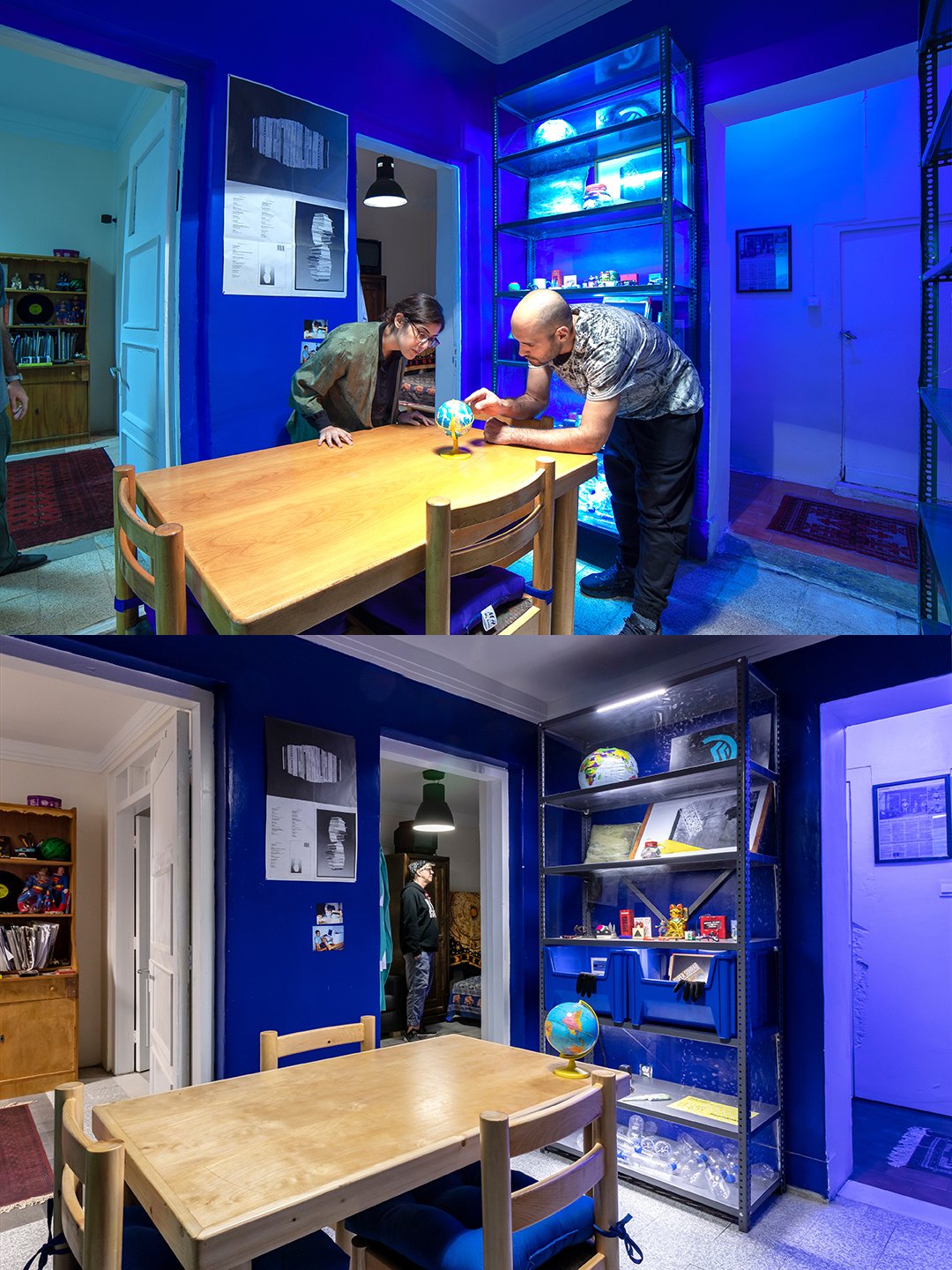
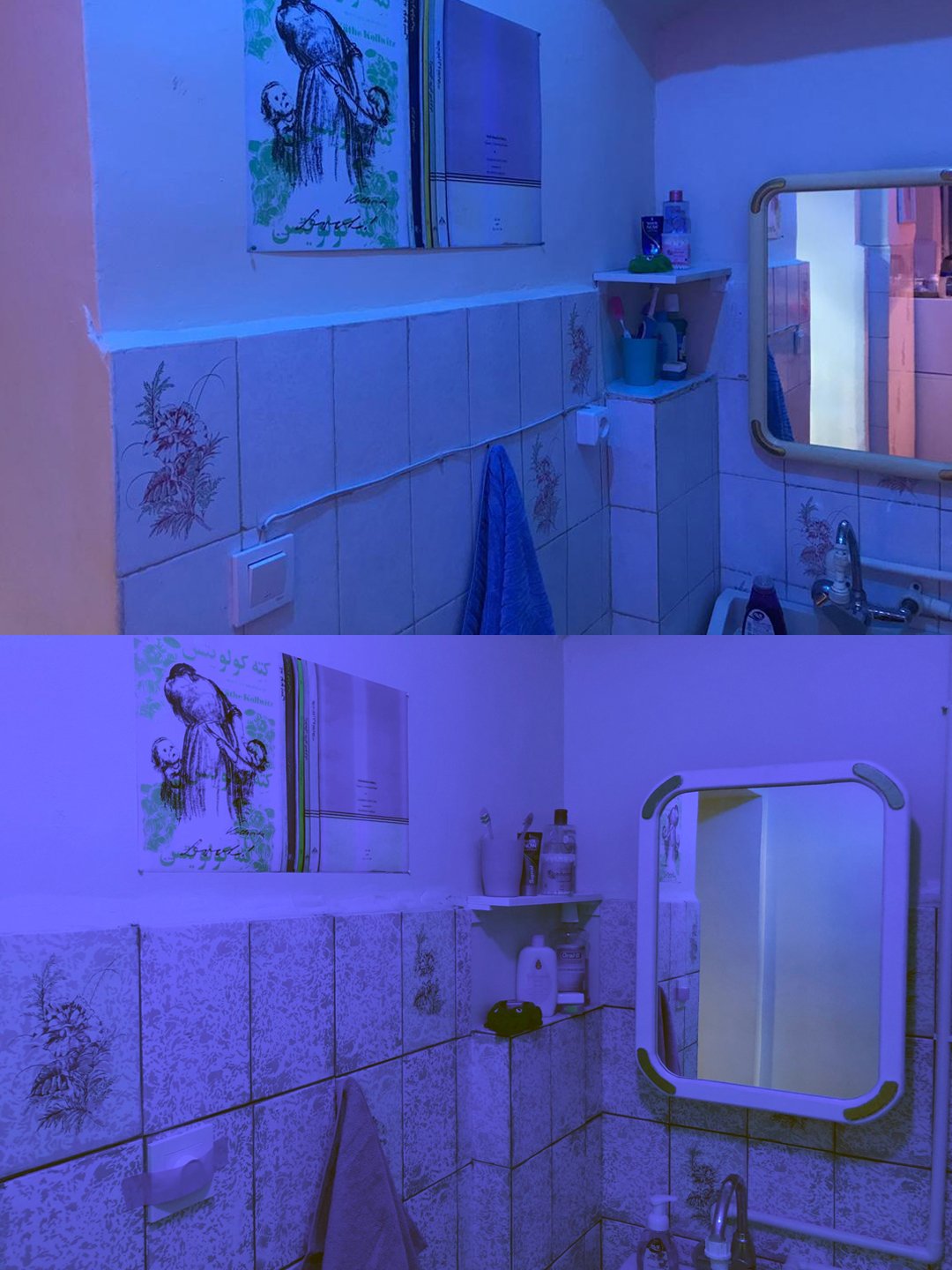
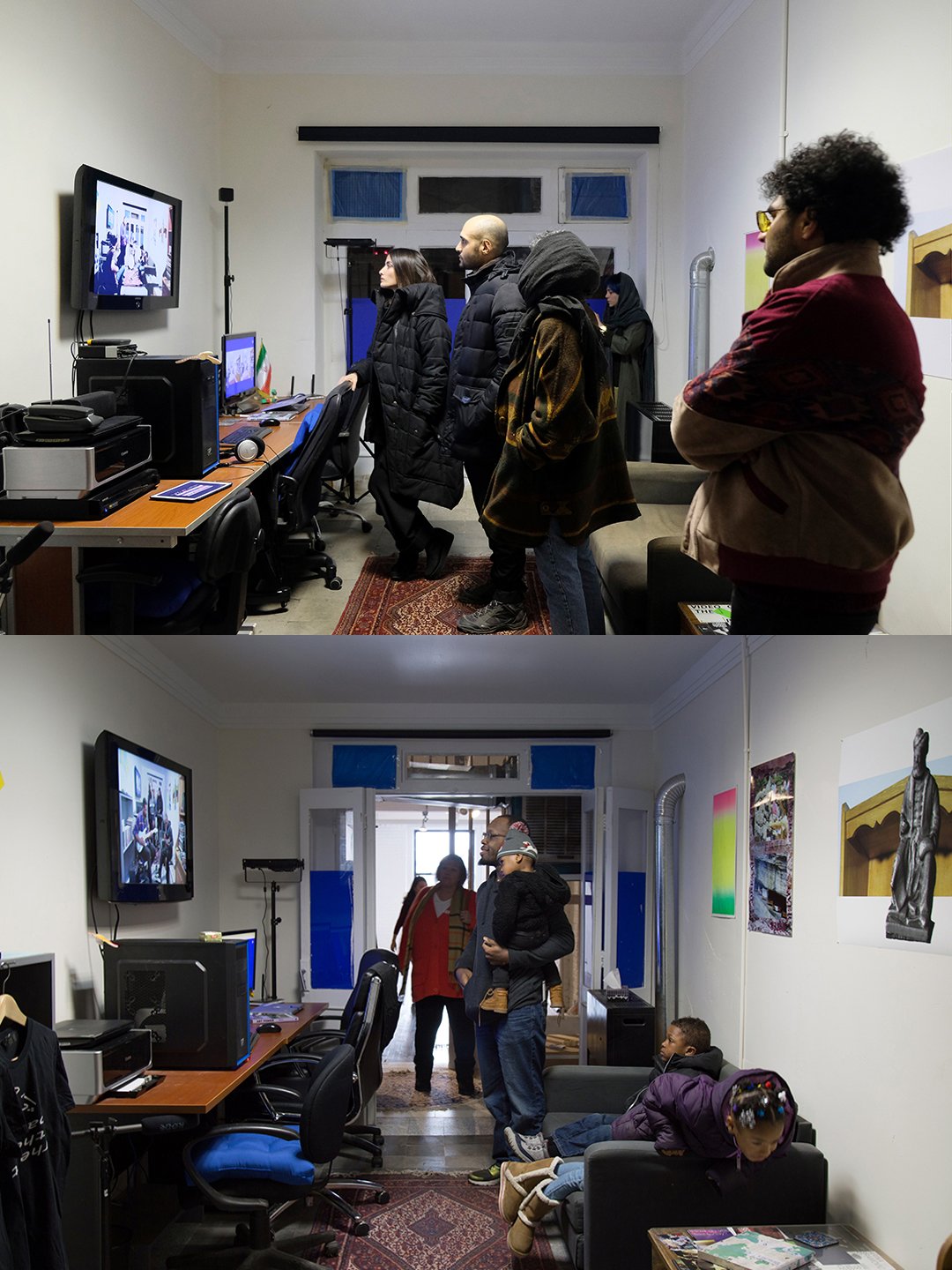
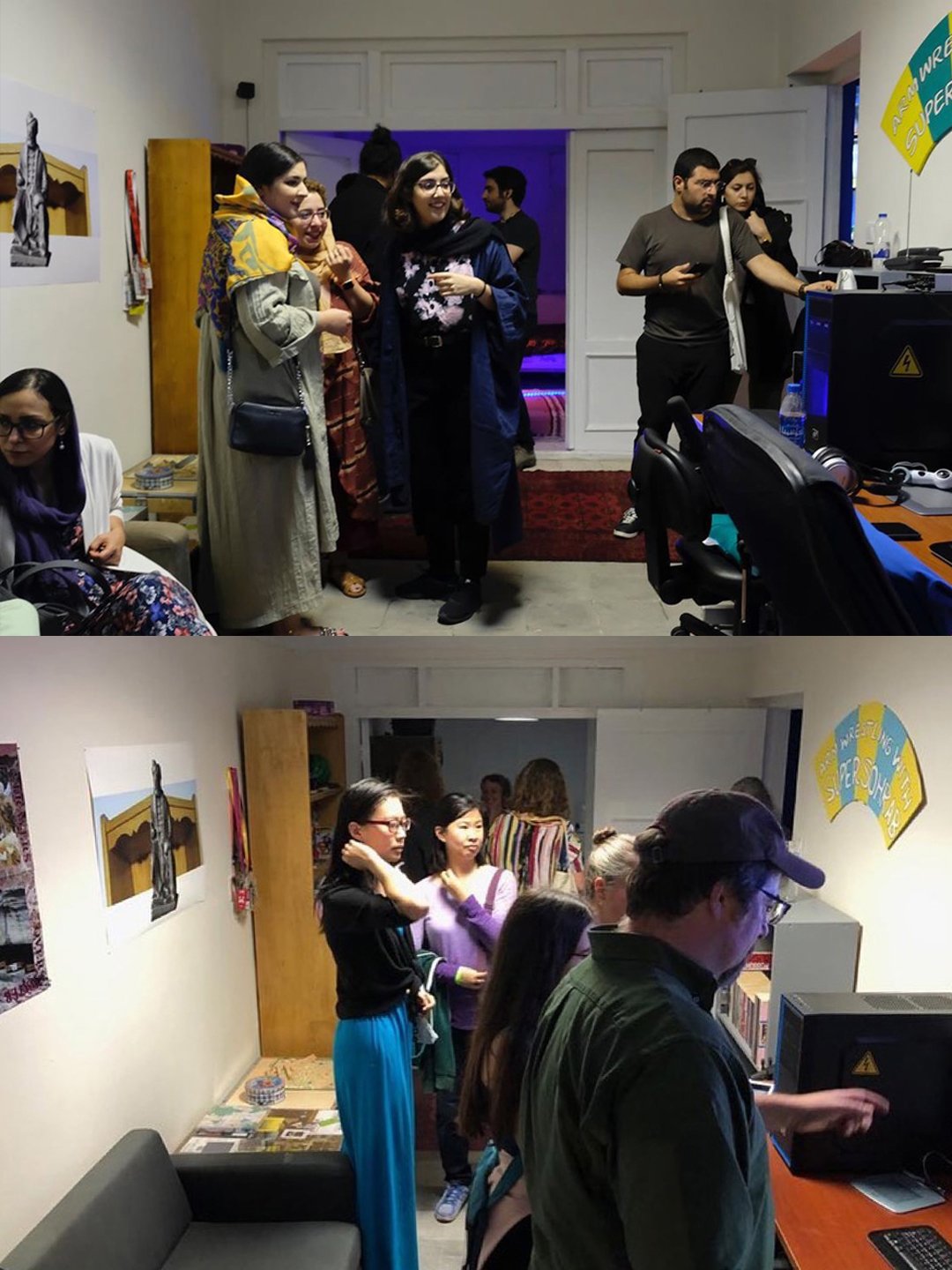
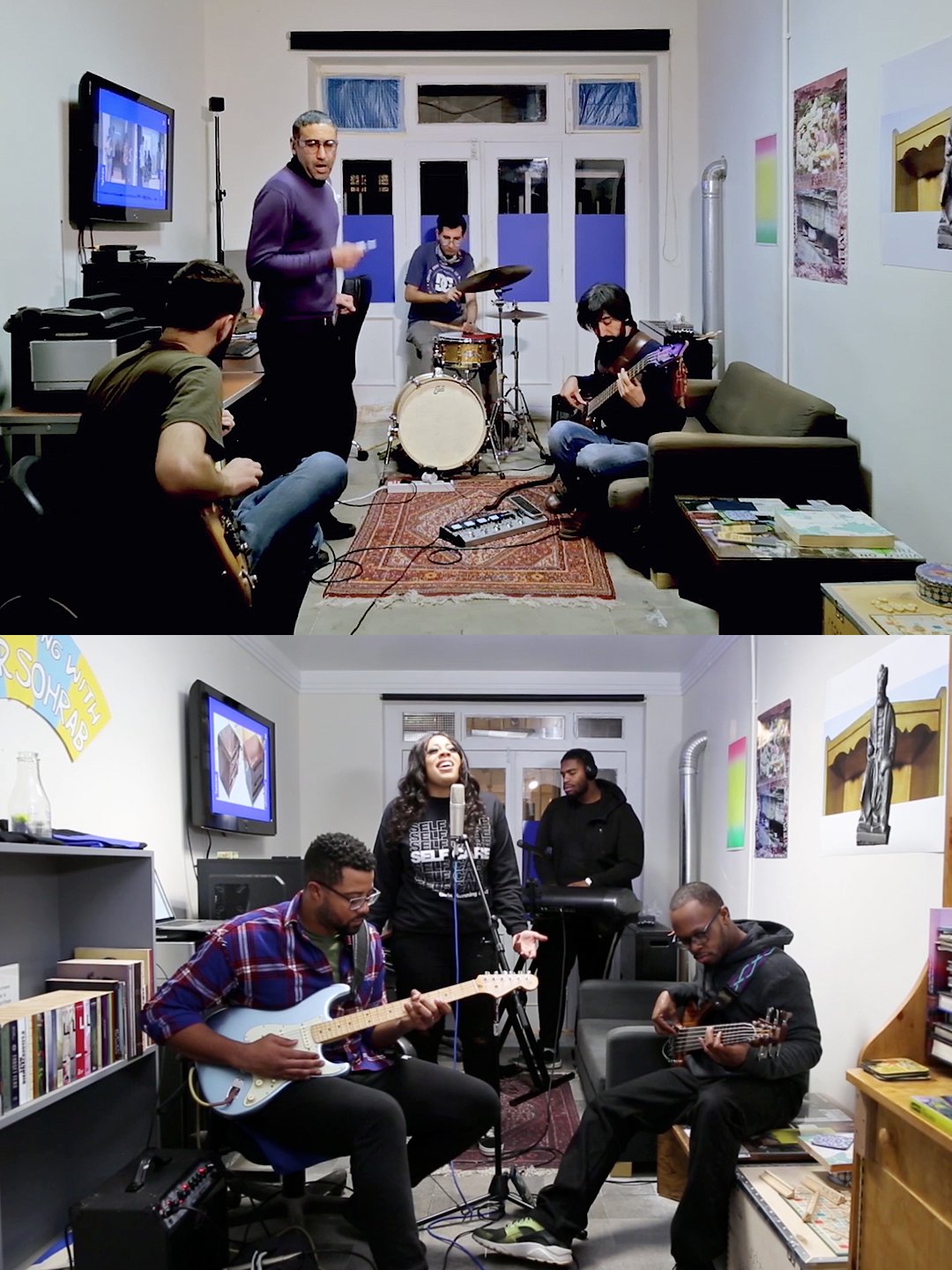
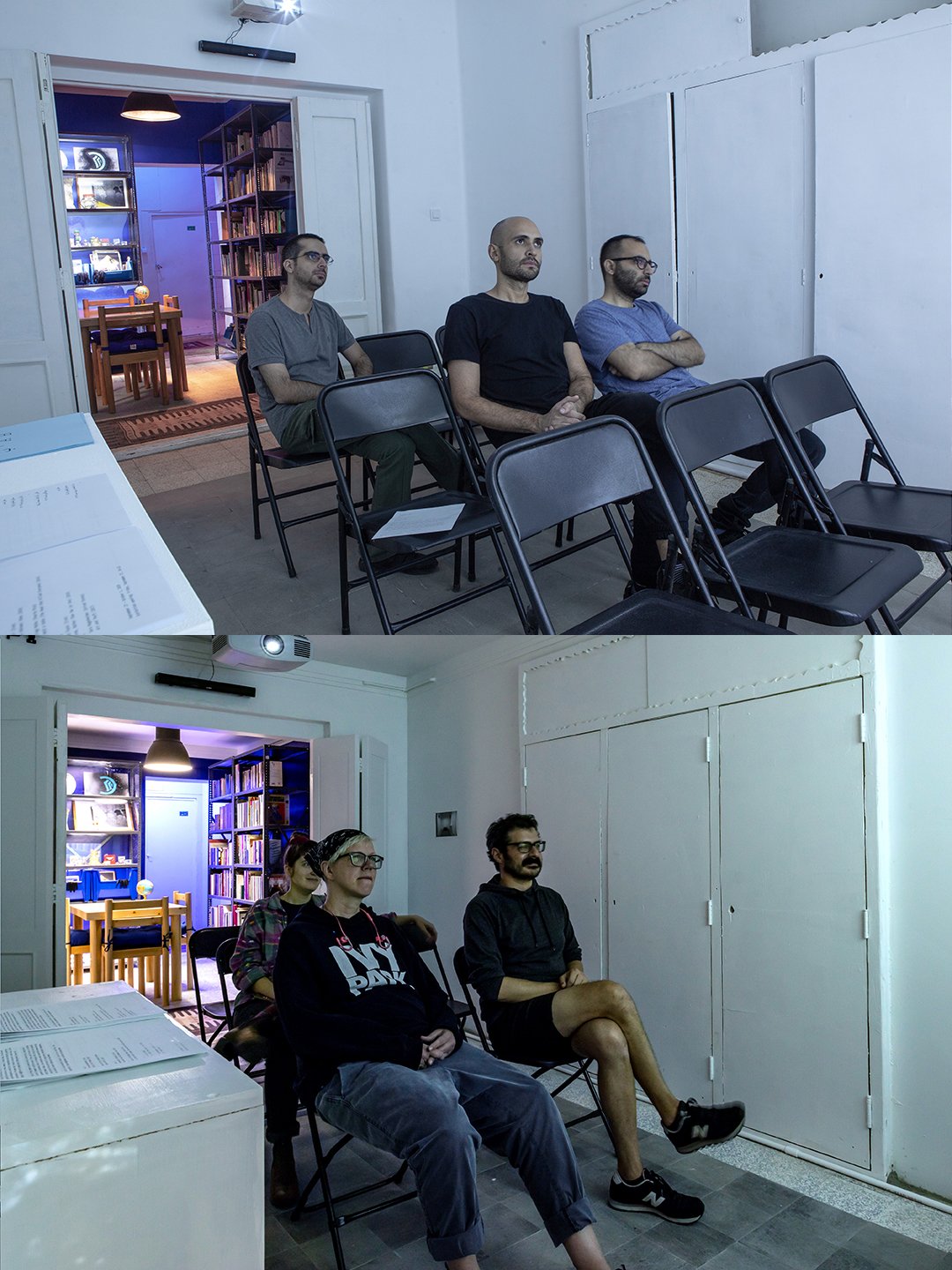
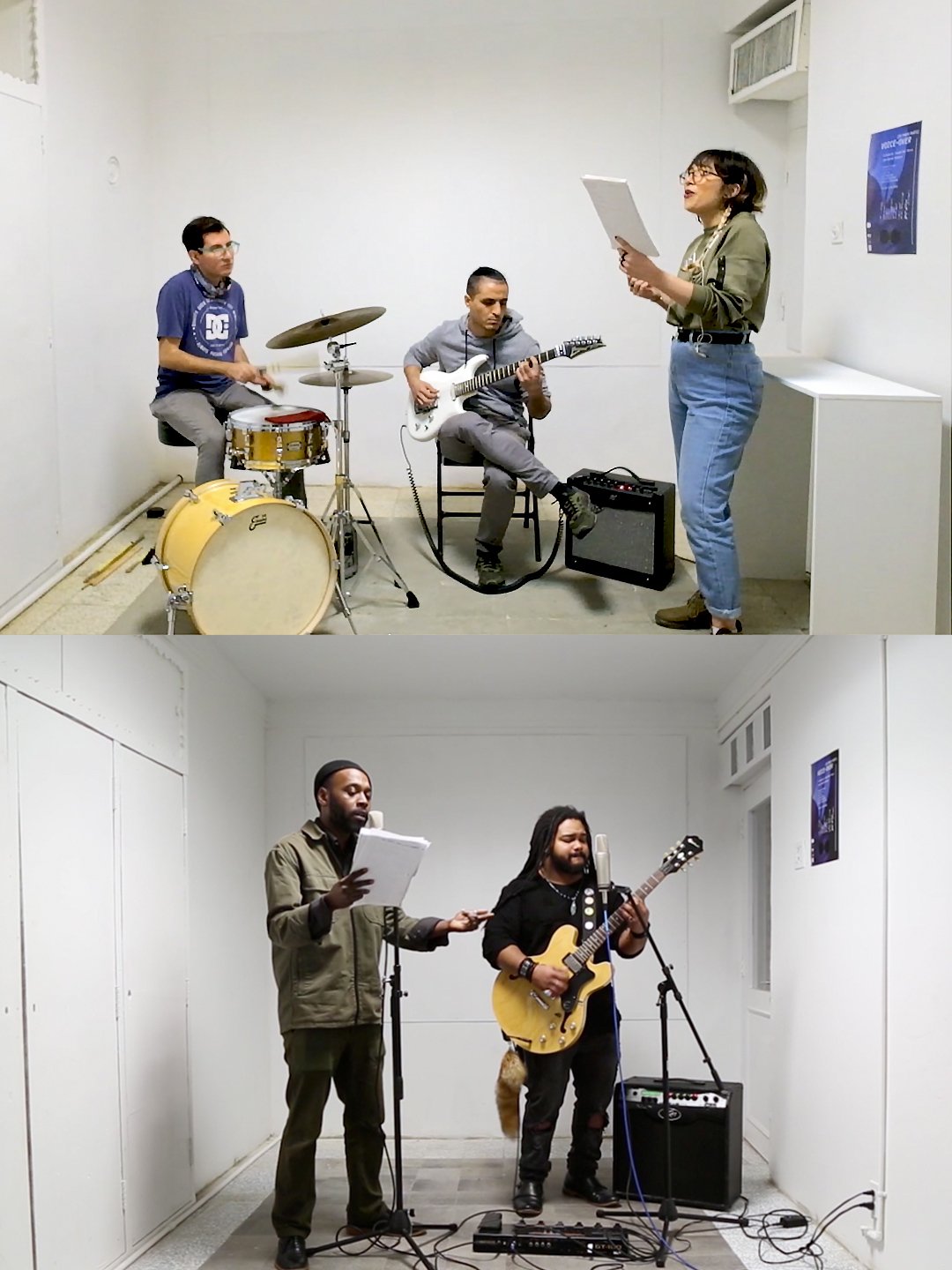
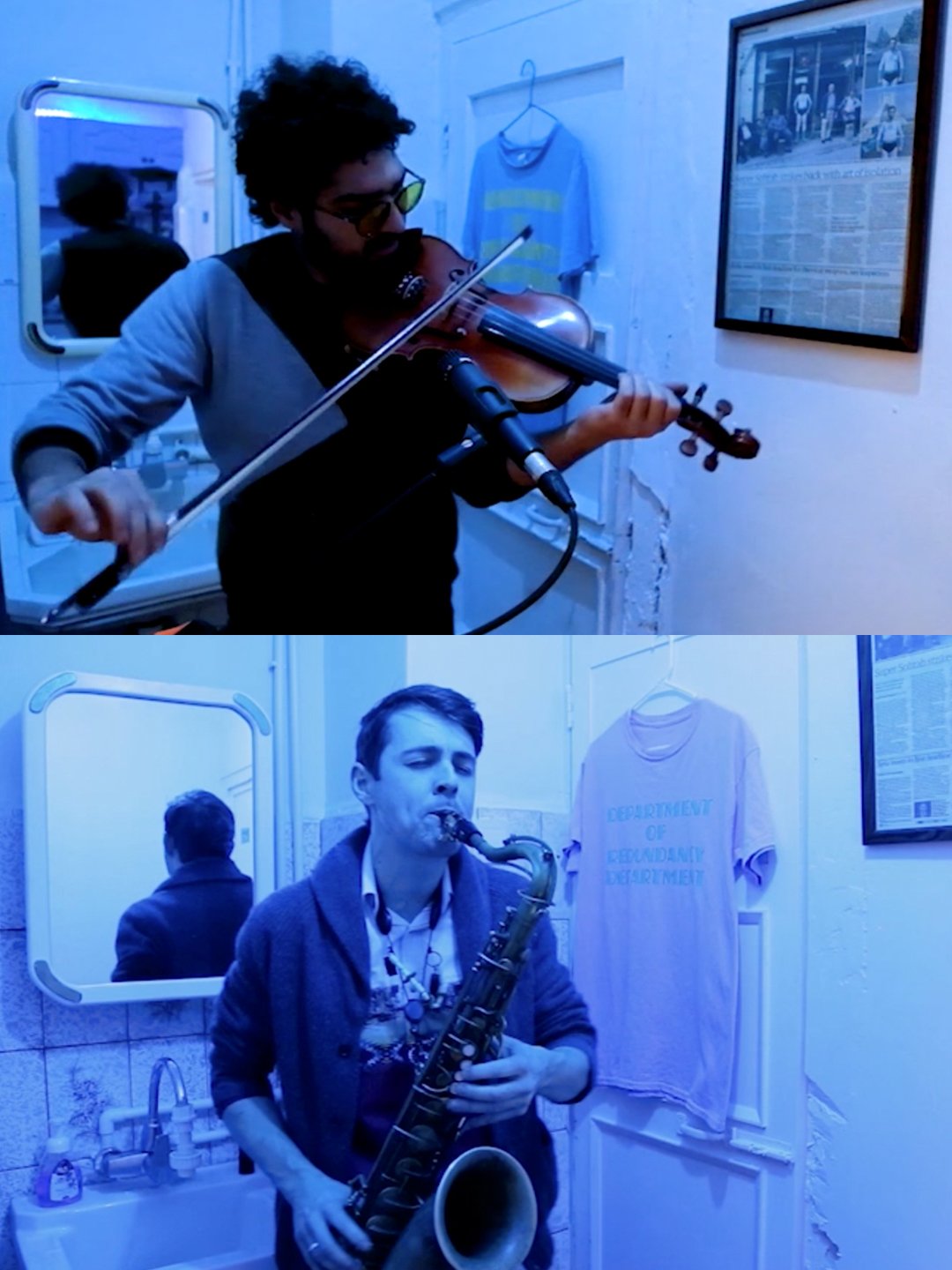
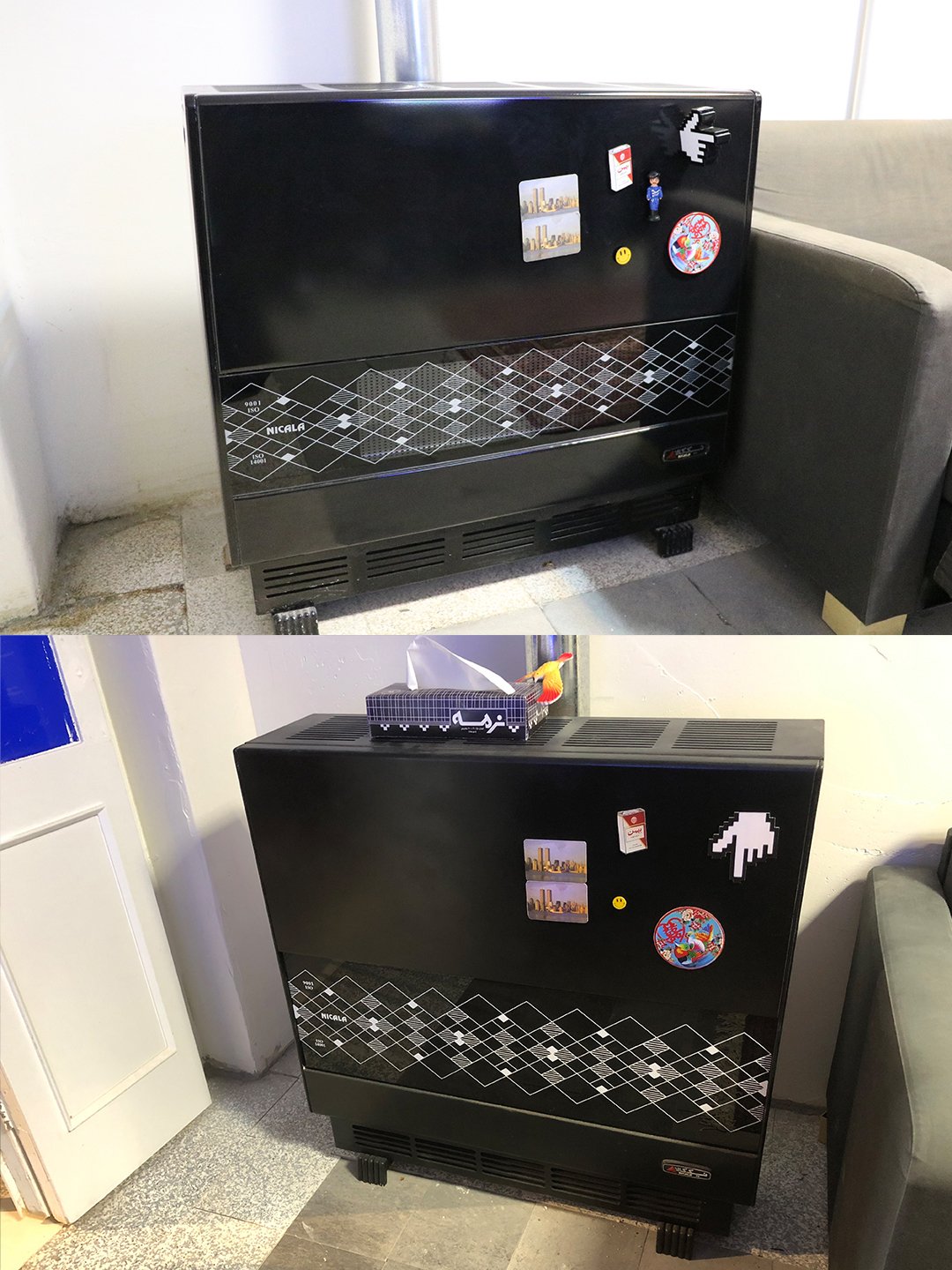
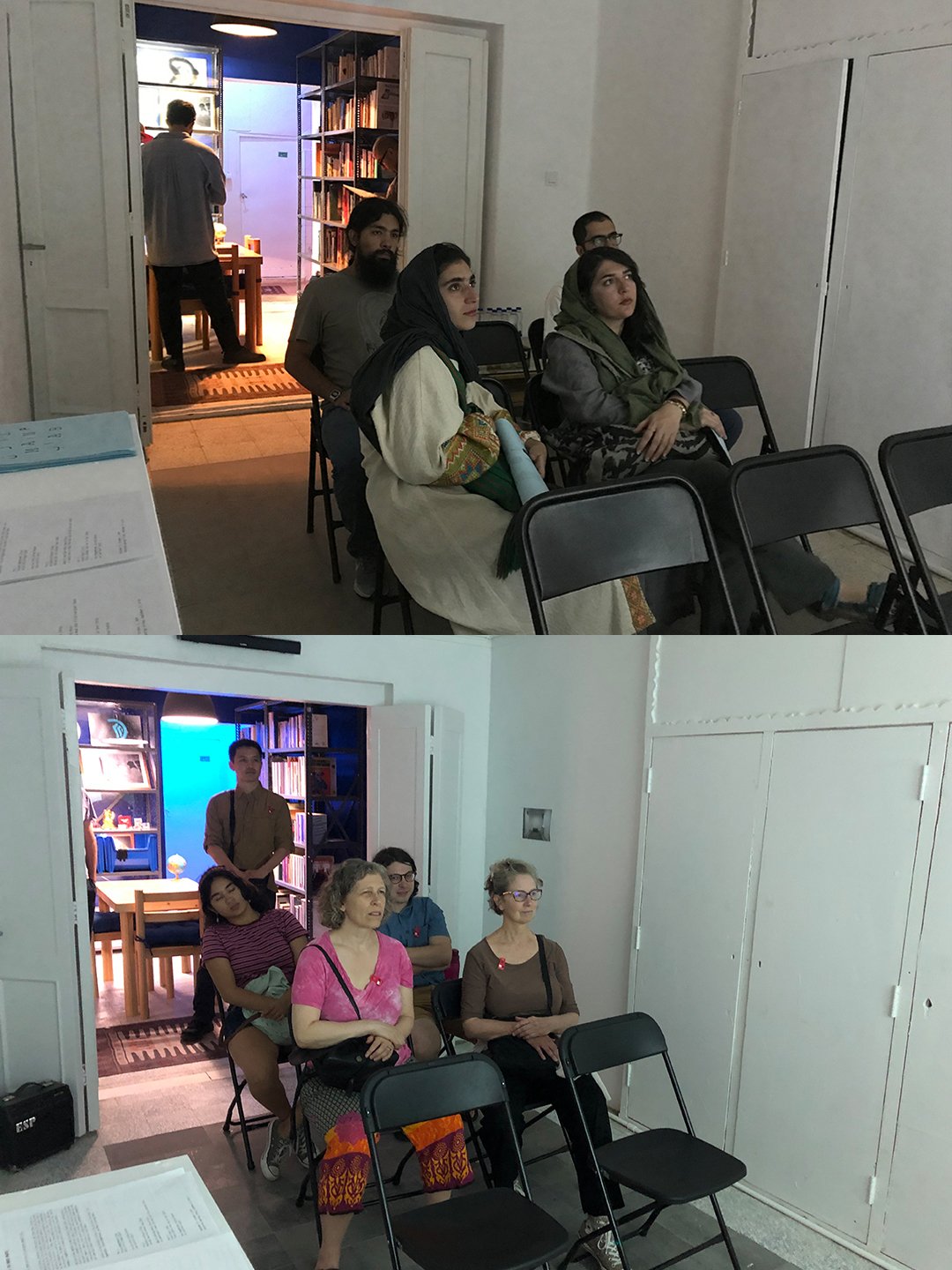
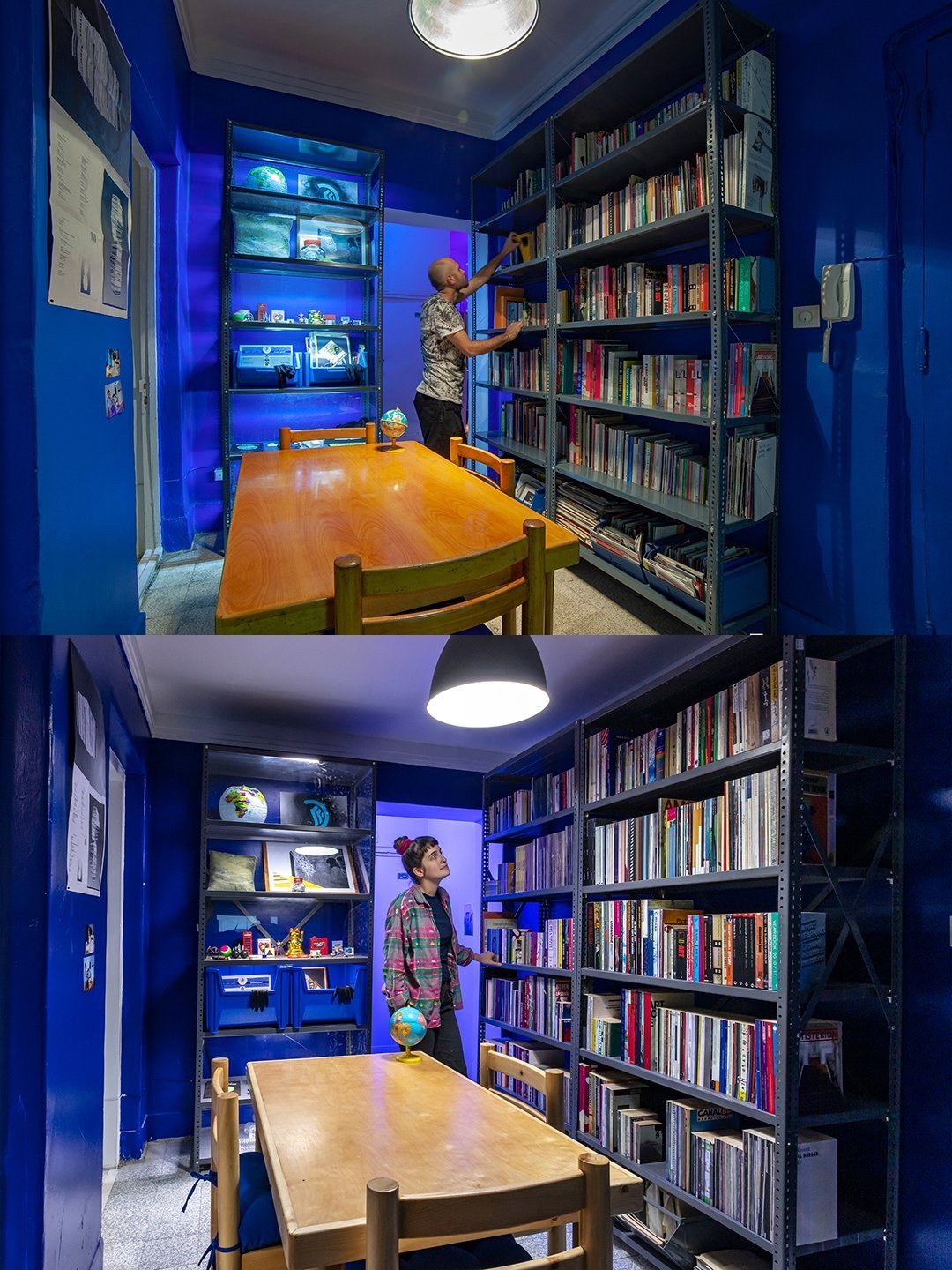
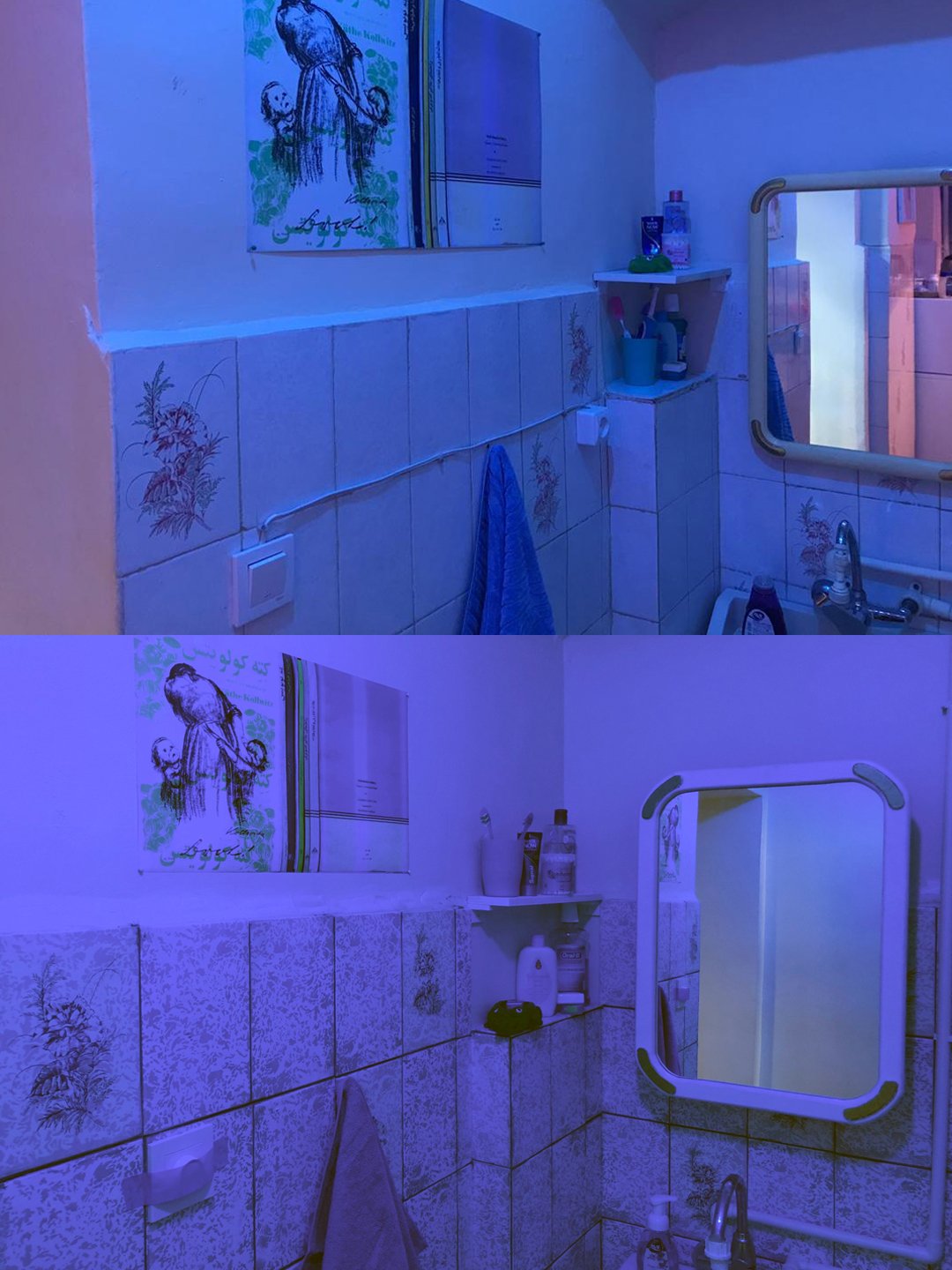
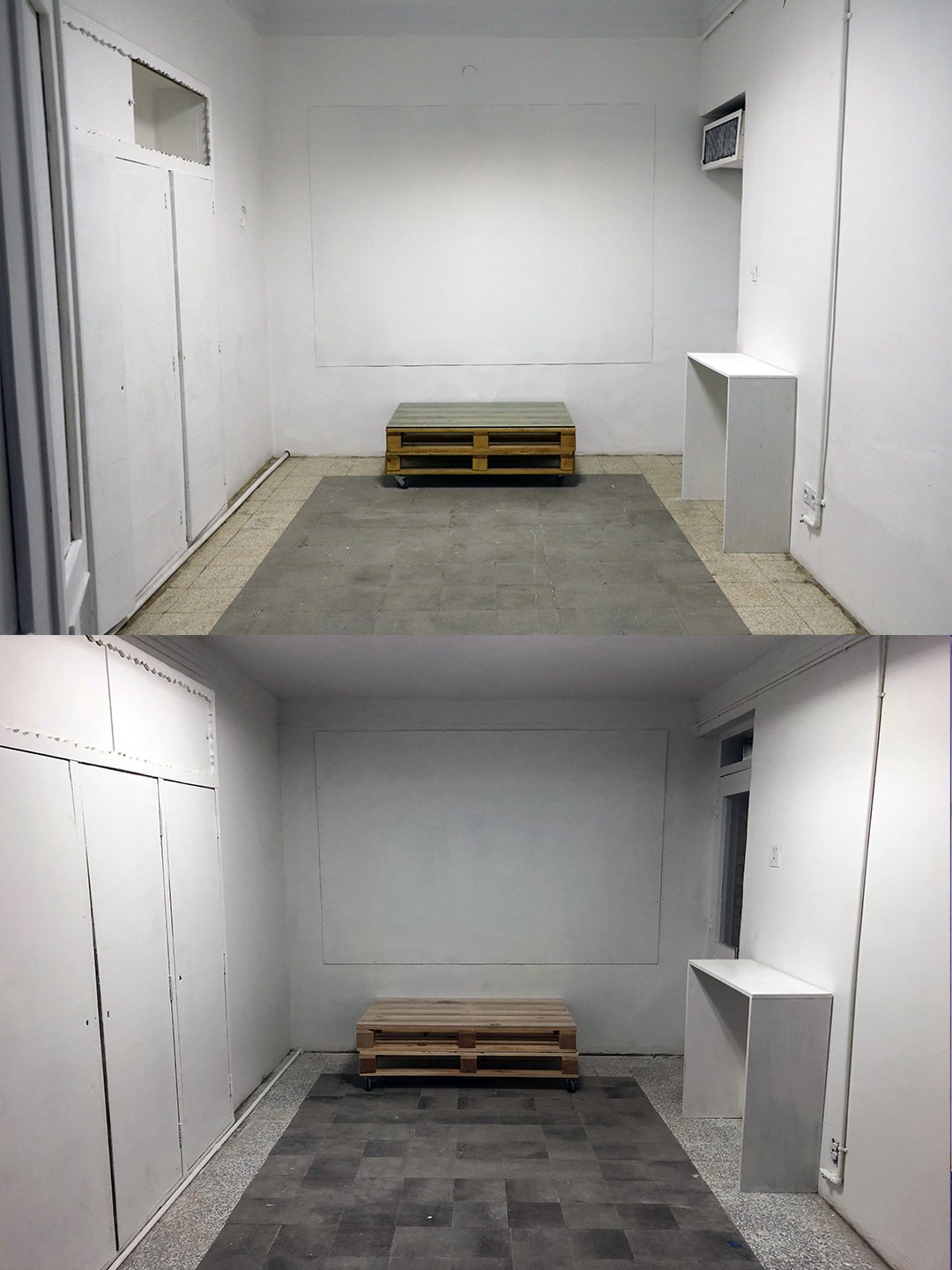
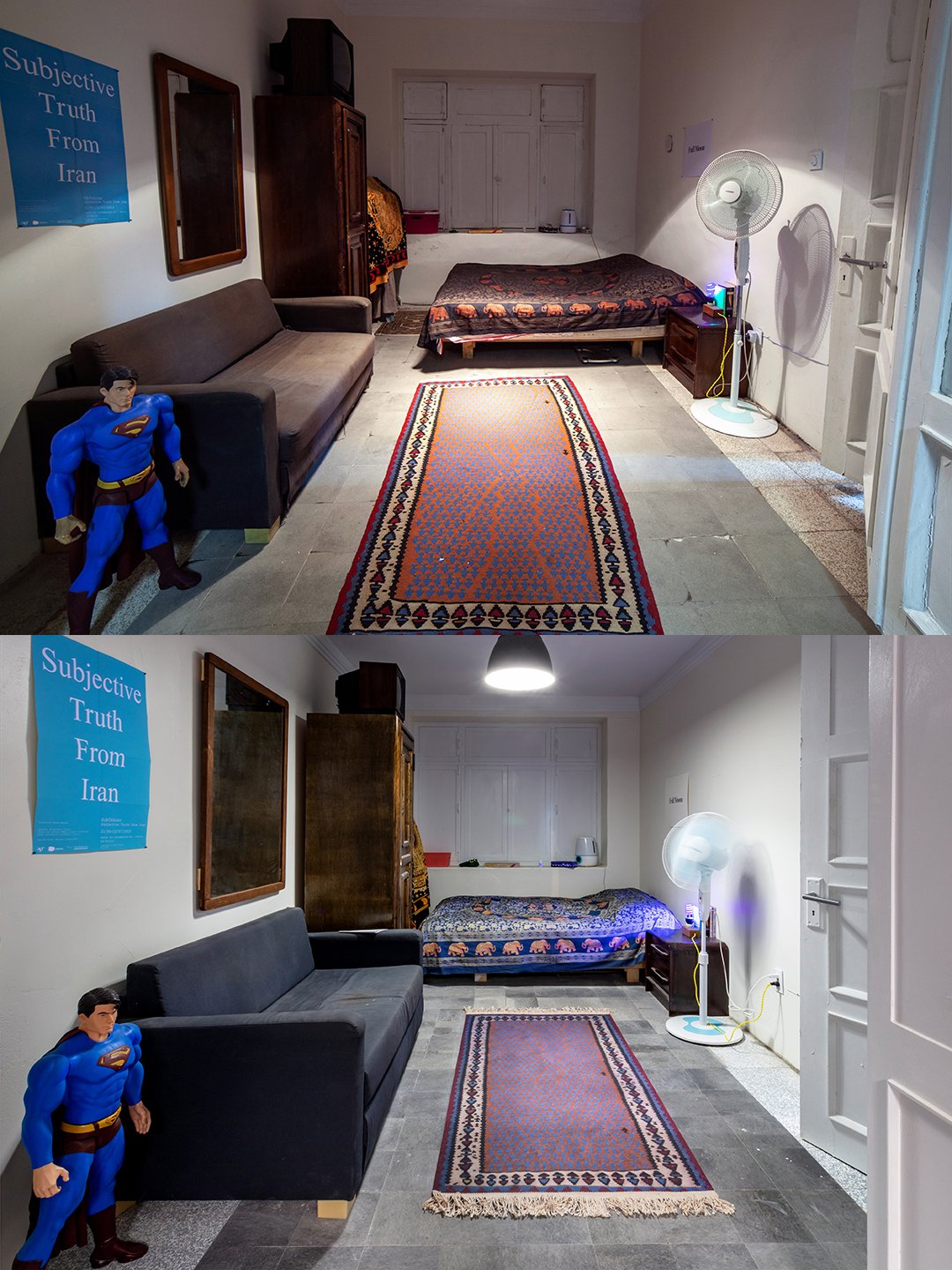
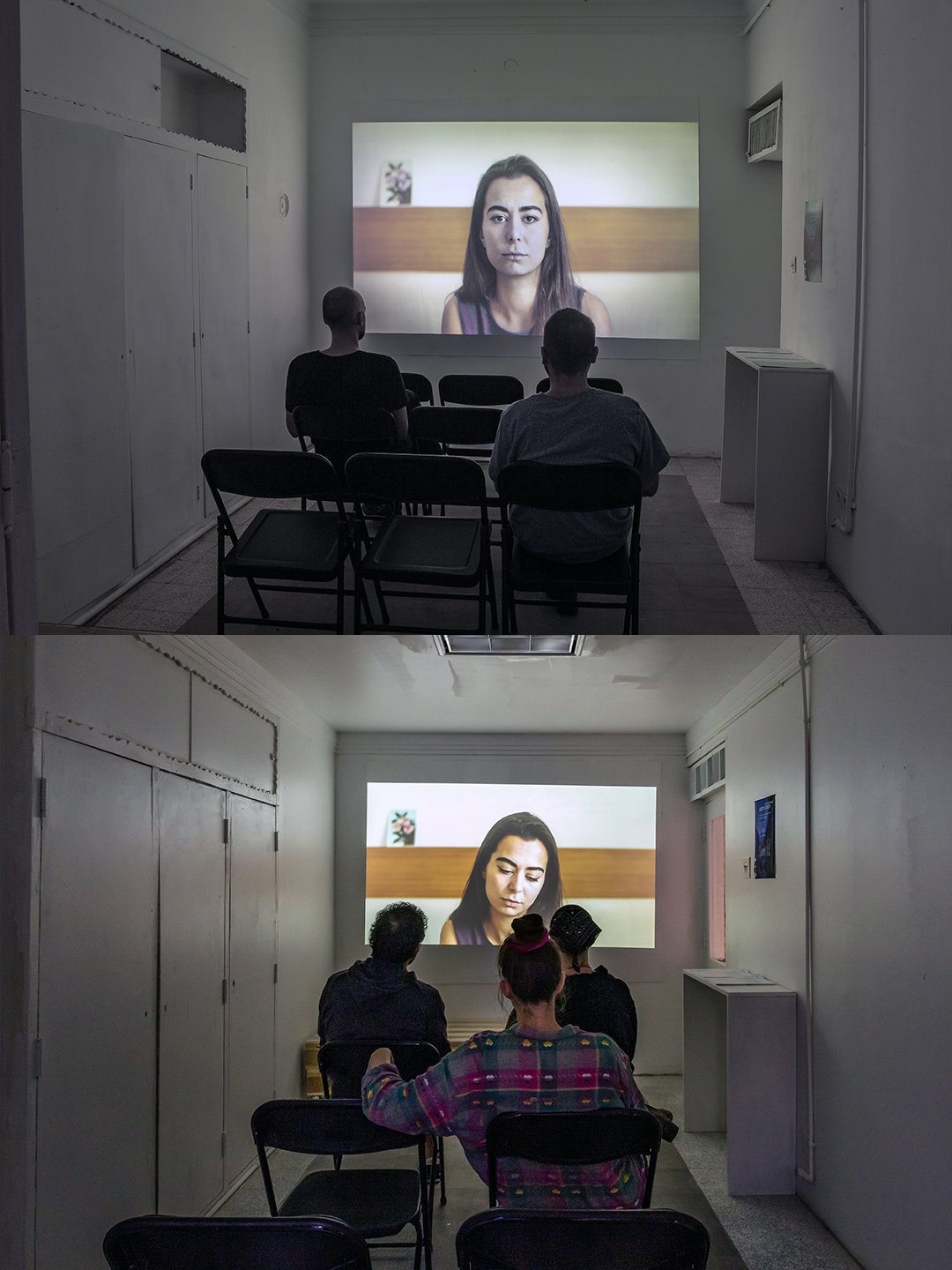
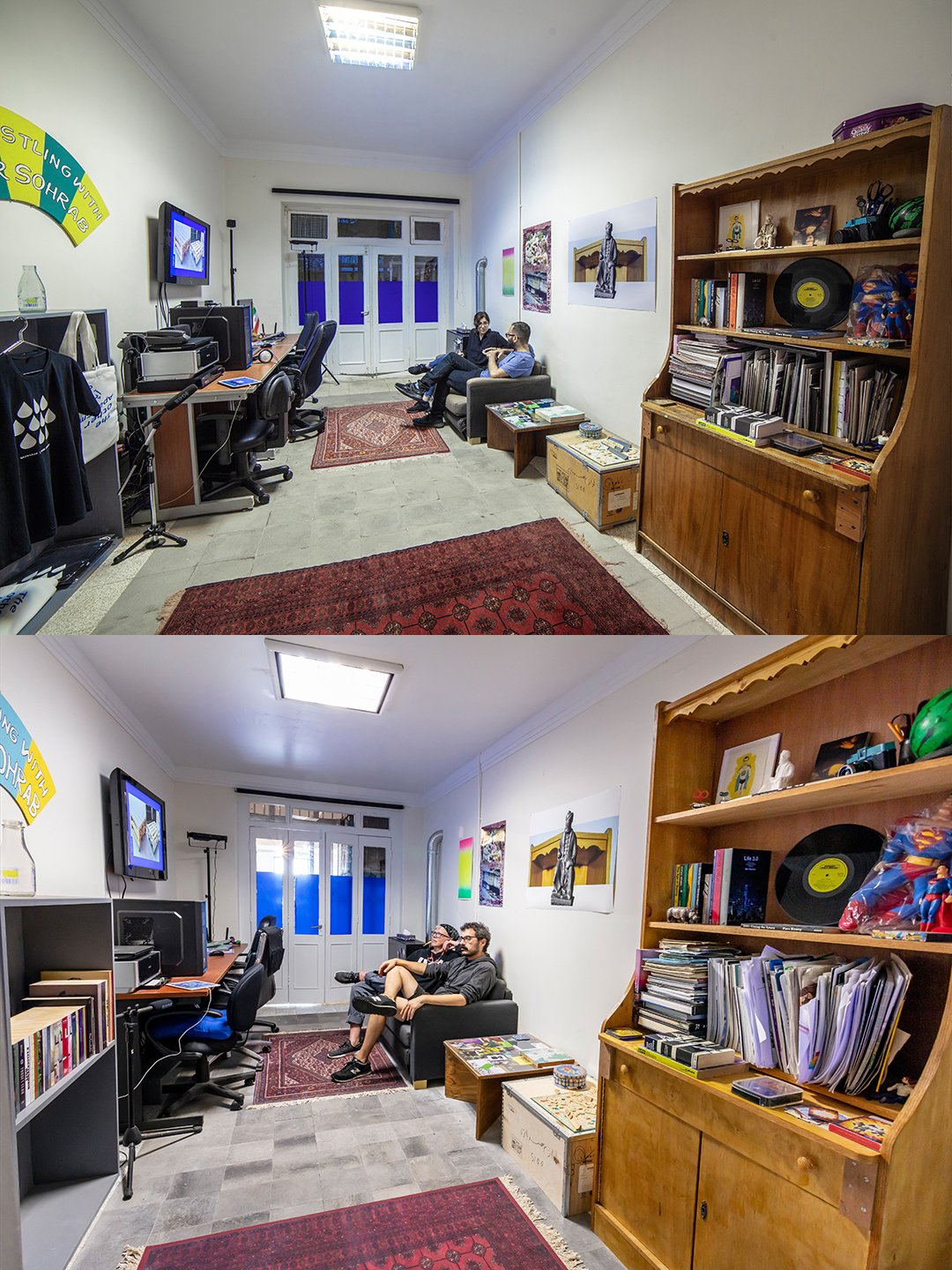
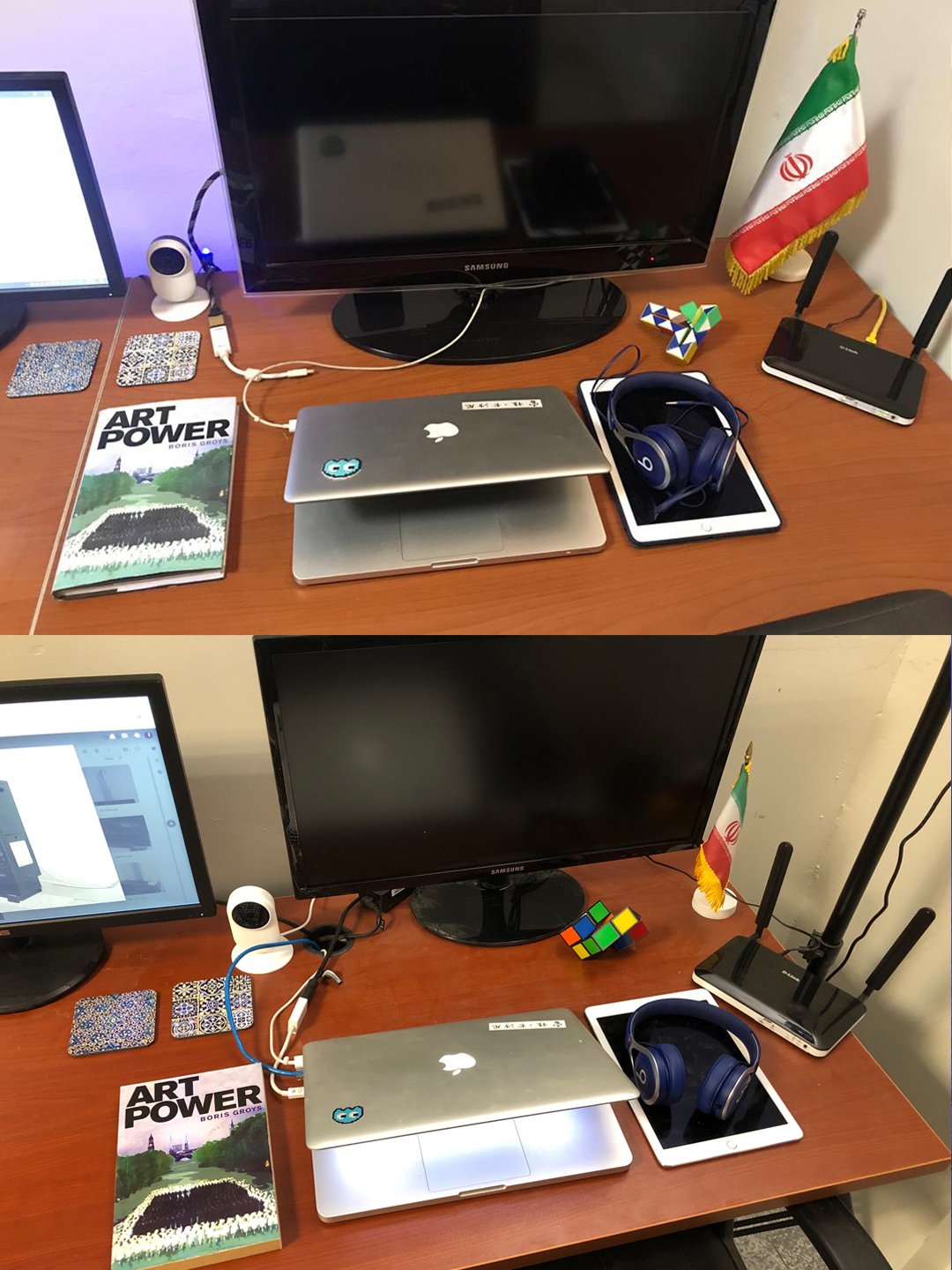
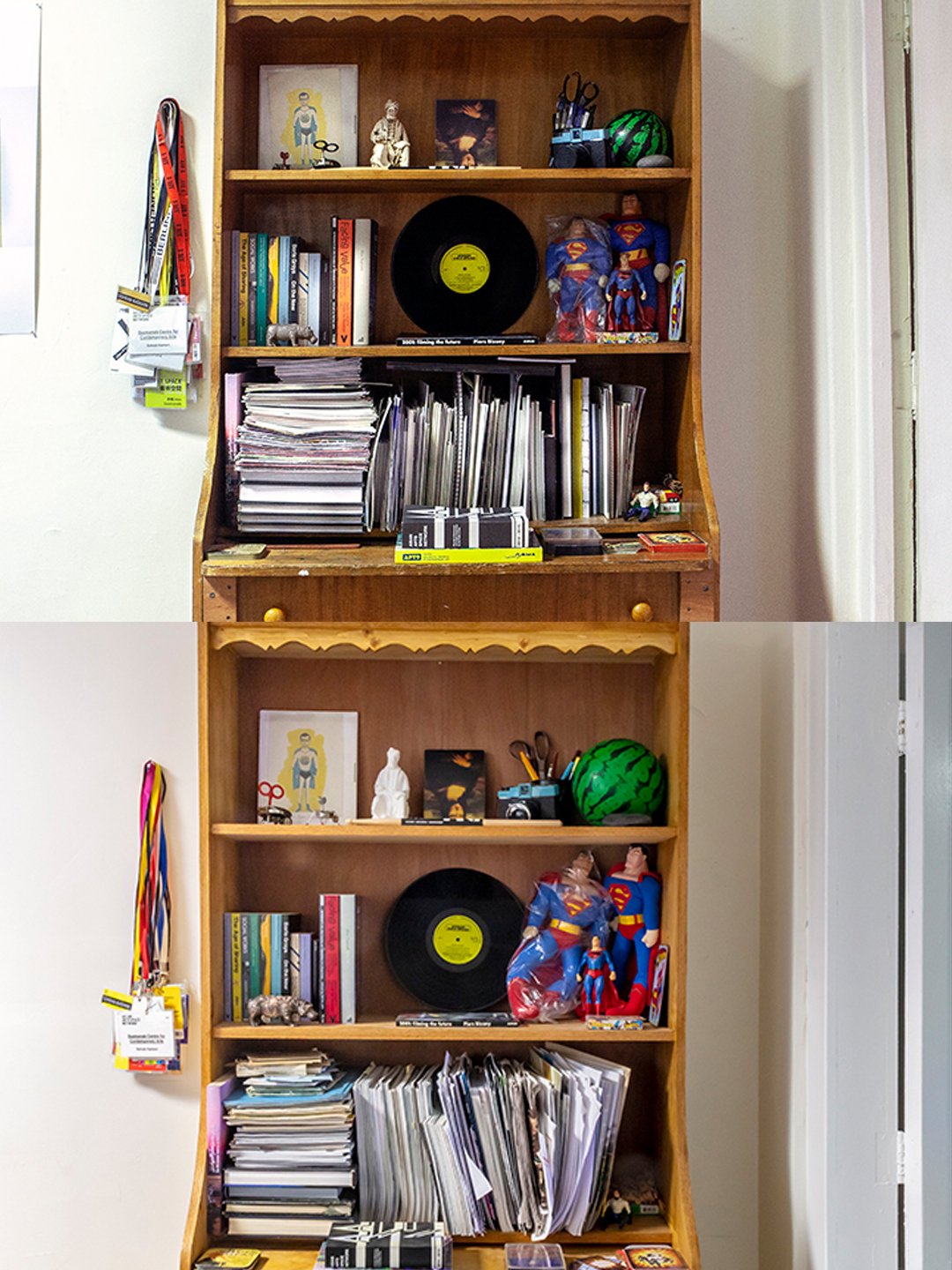
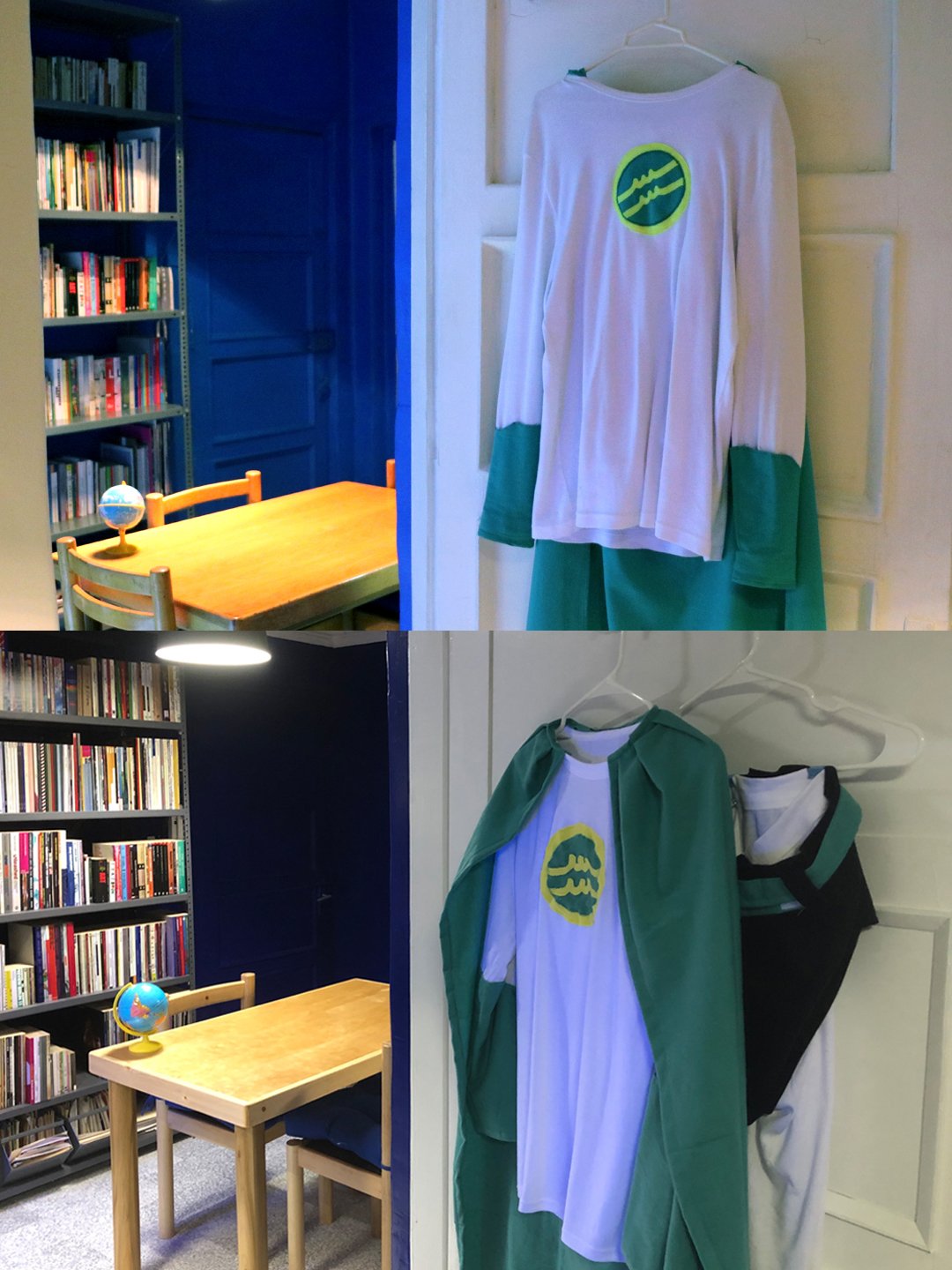
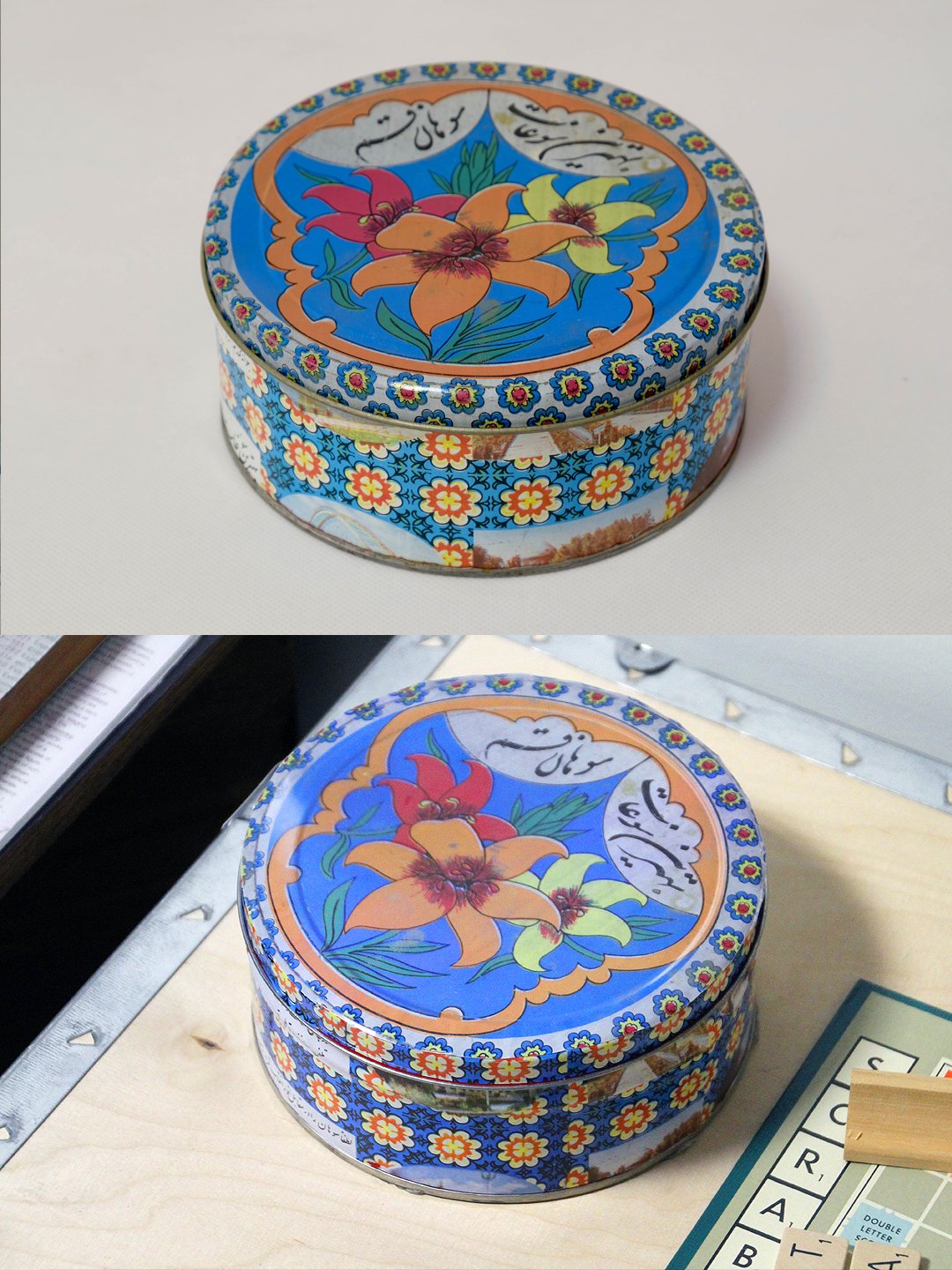
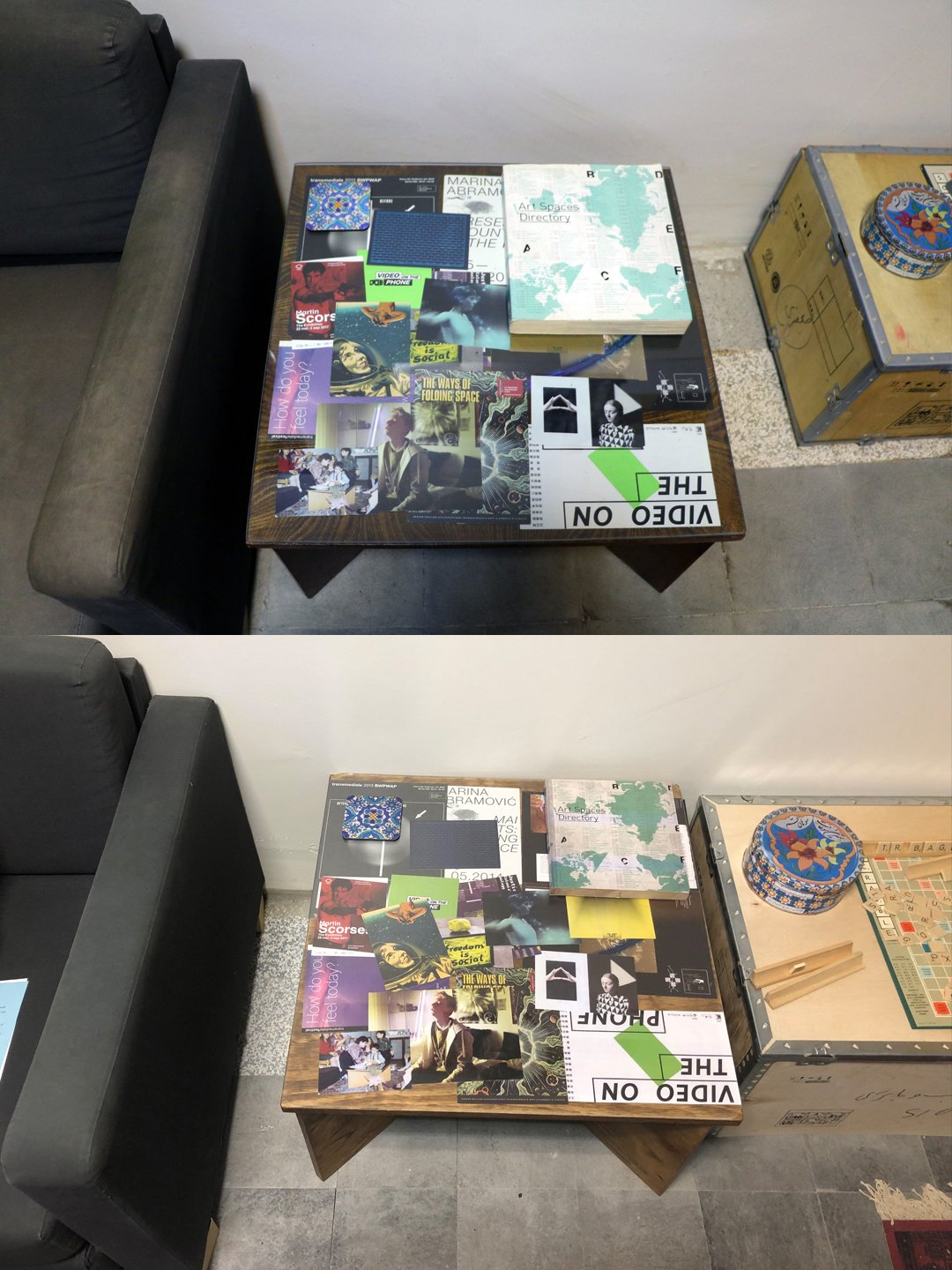
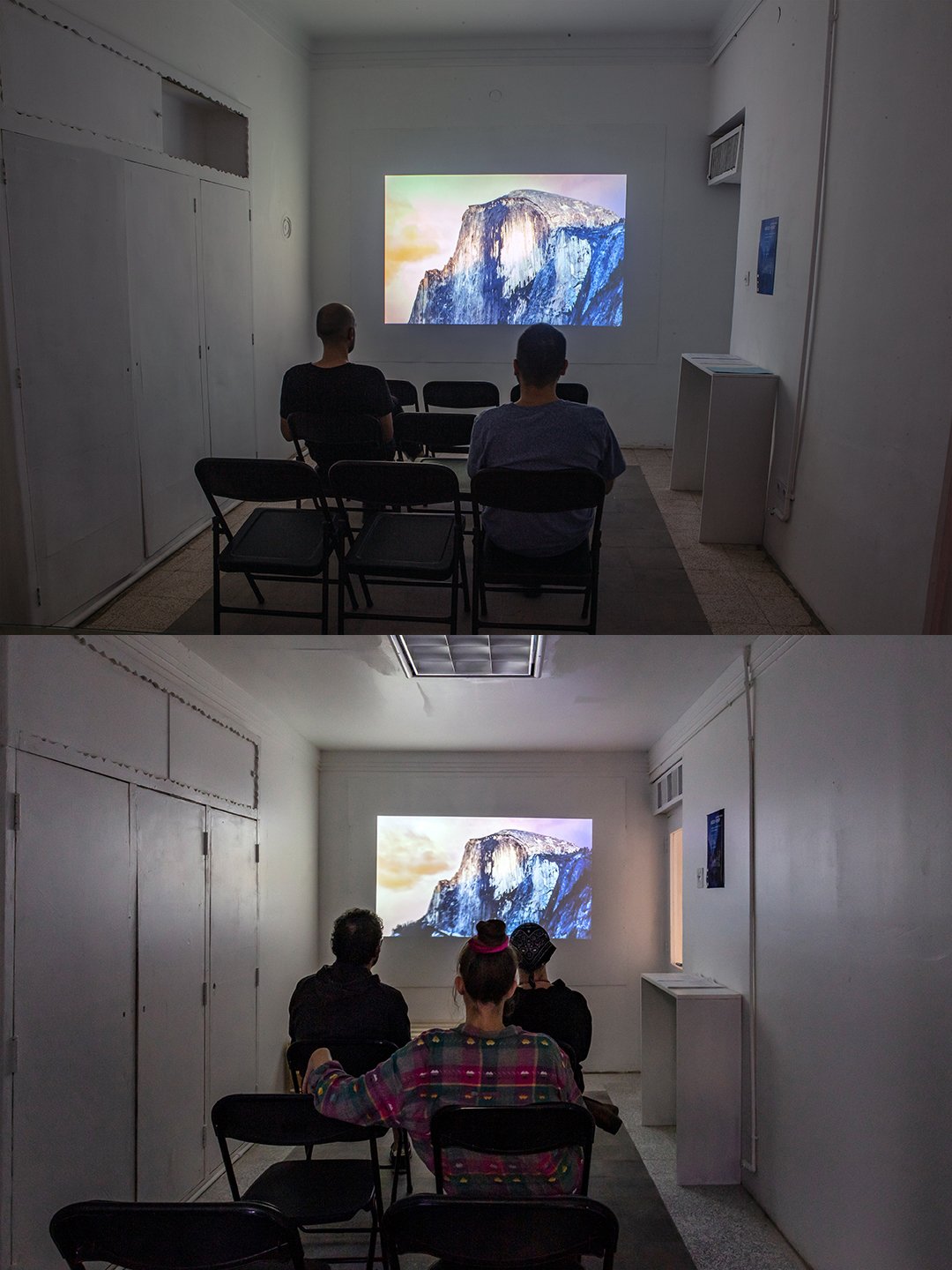
Image guide: Top = Tehran / Bottom = Pittsburgh
The Other Apartment
Mattress Factory Museum (Pittsburgh, U.S.) & Sazmanab (Tehran, Iran), 2019-2020
Collaboration with Sohrab Kashani
>> PROJECT WEBSITE <<
The Other Apartment is a collaborative project between Pittsburgh-based artist Jon Rubin and Tehran-based artist Sohrab Kashani that occurs simultaneously in Kashani’s apartment in Tehran, Iran, and an exact replica of that apartment and all of its contents at the Mattress Factory Museum in Pittsburgh, U.S..
Using detailed photographs from Kashani (who was not able to travel to the U.S. due to the travel ban on Iranian citizens), the artists worked with a team of fabricators to meticulously recreate his Tehran apartment’s facade, interior architecture, and all of his personal possessions. From his soap dish to his furniture, everything in The Other Apartment has been fabricated to replicate what exists in Kashani’s apartment.
For the past 11 years, Kashani has used his apartment as a space for exhibiting contemporary art and as an artist residency, one of the first of its kind in the country. From September 2019 through September 2020, Kashani and Rubin operated the space together in The Other Apartment, producing exhibitions, programs, and events where every object, video, and performance that happens in one space is reproduced for the other, keeping both apartments identical across the 6,300 miles that separate them.
The Other Apartment functions as a series of theoretical and practical questions within the sad absurdity of our current political condition: What if there was more than one absolute reality; can you build a space that functions as a loophole around national borders and economic sanctions; and what gets lost and gained in the act of duplication?
------------------------------------
Project Manager: Brittany Reilly
Tehran Team: Yousha Bashir, Golnoosh Heshmati, Siavash Naghshbandi, Shirin Rezaee
Translation: Golnar Nemat
Apartment Building Contractor: Tom Reynolds (Dovetail Home Improvements), Ben Wojtyna, Kevin Clancy
Pittsburgh Fabrication Team: Adam Welsh (Director of Exhibitions), Jenna Arnold, Seth Davidson, Dig Divine, Evyn Dowd, Josh Ice, Shohei Katayama, Anthony Kovacs, Keith Loughrey, Alex Lukas, Erin Mallea, Ezra Nepo, Katherine Pirilla, David Rosenstraus, Lilah Rubin, Max Spitzer, Jason Tracy
+++++++++++
What Knots Knot Knots: Spatial Practices of Tracing and Intervening, by Carolin Höfler, TH Köln
A practice of tracing and intervening of this kind is exemplified by the collaborative installation The Other Apartment by artists Jon Rubin from Pittsburgh and Sohrab Kashani from Tehran (2019). The project involved the reconstruction of Kashani’s Tehran apartment inside the Mattress Factory, a museum for contemporary installation art in Pittsburgh. For more than ten years, Kashani had used this apartment as a non-commercial off-space for exhibitions of contemporary art and artist residencies, thereby establishing one of the first independent project spaces of this kind in Iran.
When, in 2017, a travel ban imposed by U.S. President Donald Trump prevented Iranian citizens from entering the United States and the two artists were no longer able to live and work together, Rubin meticulously reconstructed the façade and interior of the Tehran apartment as a site of memory and intervention within the museum. Drawing on Pierre Nora’s concept of lieux de mémoire, such a site of memory is understood not merely as a geographical location or physical space, but as encompassing mythical figures, events, institutions, rituals, objects, as well as phenomena and latent possibilities.
From this perspective, The Other Apartment can be understood as a nodal point in which a multitude of stories, ideas, memories, and desires are intertwined. Kashani and Rubin describe the “other” apartment as “a world for ourselves where everything that was a limit would become a possibility, and every political obstacle would become a creative opportunity.” Within the reconstructed art space, a form of cultural memory emerged that was bound to the objects and narratives of the operators and guests of the off-space in Tehran. From the gas heater and Persian carpets to the cluttered drawers, a small Superman figurine, a fragment of the Berlin Wall, books in English and Farsi on art, philosophy, and science fiction, and a sign reading “Subjective Truth from Iran,” everything was produced and arranged in Pittsburgh to correspond precisely to what visitors would encounter when entering the counterpart more than ten thousand kilometers away in Tehran.
The reconstruction was less a monument than a place of encounter, as alive as the “original” art space in Tehran. In collaboration with Sazmanab, the curatorial platform founded by Kashani, exhibitions, film screenings, concerts, and discussions took place both in Tehran and Pittsburgh, addressing the histories of both locations as well as current political conditions such as economic sanctions, travel bans, and the xenophobia associated with them. Kashani and Rubin therefore also understood The Other Apartment as a “loophole around national borders and economic sanctions,” enabling Iranian and American visitors to participate in jointly curated events and to experience the space in real time.
Within the reconstructed apartment, documentary elements merged with fictional and poetic ones; factual information intertwined with suggestive representations; official narratives intersected with personal stories. Artistic works were placed in relation to documents originating from the Tehran apartment, alongside replicas of furnishings and everyday objects. Through this constellation, the reconstructed apartment unfolded a strong affective charge while simultaneously creating a distance from political events, prompting feelings of involvement and reflection among visitors. Although the reconstruction in Pittsburgh was extremely detailed, the illusion repeatedly fractured at the physical boundaries of the objects. A seemingly terrazzo floor turned out to be printed slate; an eerily blue-lit bathroom led to a door with a shower sign behind which there was only an empty museum space. Small inconsistencies, such as shrunken details on a 3D-printed carpet or books on shelves made from wooden blocks with scanned book covers, produced a sense of unease, an “off-ness,” a stumbling translation between the two cultures beyond the arbitrariness of borders.